Are Magnetic Beds Good or Bad for me?

Dr. Paul Kwik

Author: Dr. Paul Kwik D.C.

Chiropractor, Functional Health Doctor, EMF Remediation Specialist
📩 [Contact for personalized health plans]


Pros and Cons:

Pros: May give partial fix to harmful emf’s. See here for complete fix without magnets. This may be the reason that people are experiencing various benefits with magnets.

Cons: How it may affect the heart. Their are warning labels all over with magnetic therapies not to place it next to heart due to risks.

These are the questions that are unknown that I would consider before using a magnetic bed. By the way, there are no solid answers.

  1. How much magnet is too much,

  2. When does it interfere with our body normal health functions?

Final Thoughts from Dr. Paul

I’m not a big fan of magnetic beds because there are better solutions for harmful EMF radiation. We also don’t know the potential risks as well because of lack of studies.

Harmful Ingredients In Toothpaste and What To Do About It


Dr. Paul Kwik

Author: Dr. Paul Kwik D.C.

Chiropractor, Functional Health Doctor, EMF Remediation Specialist
📩 [Contact for personalized health plans]

While toothpaste is formulated to clean teeth and improve oral health, some ingredients have raised concerns among consumers and researchers for various reasons. It's important to note that the impact of these ingredients can vary based on individual sensitivities, the amount used, and the frequency of exposure. Here are some commonly discussed ingredients that have been flagged for potential concerns regarding teeth, gums, or overall health:

  1. Sodium Lauryl Sulfate (SLS): SLS is a surfactant used to create foam and remove debris and stains. Some people find that SLS can irritate their mouth, leading to canker sores or mouth ulcers. There's also a debate about its impact on the mucosal lining of the mouth.

  2. Triclosan: Used in some toothpaste for its antibacterial properties, triclosan has been the subject of scrutiny over potential hormone disruption and the development of antibiotic-resistant bacteria. The FDA has banned triclosan from hand and body soaps in the United States, but it can still be found in some toothpaste.

  3. Propylene Glycol: This is a type of alcohol used as a moisture-carrying vehicle and solvent in many toothpastes. While generally recognized as safe in small amounts, some individuals are concerned about its presence in personal care products.

  4. Diethanolamine (DEA): DEA is used to create foam in toothpaste. It has raised concerns due to its potential to react with other ingredients to form N-nitroso diethanolamine (NDEA), a known carcinogen.

  5. Artificial Sweeteners: Ingredients like saccharin and aspartame are used in toothpaste to improve taste. While approved for use, these artificial sweeteners have been the subject of ongoing debate regarding their safety and potential health effects.

  6. Artificial Colors/Dyes: Some toothpastes contain artificial colors or dyes, which some people prefer to avoid due to concerns about allergic reactions or other health impacts.

  7. Fluoride: While fluoride is widely acknowledged for its ability to prevent tooth decay and is considered safe and effective when used as directed, excessive fluoride intake (fluorosis) during tooth development can lead to changes in the appearance of tooth enamel in children. Some people also prefer to avoid fluoride due to concerns about its overall health effects, although these concerns are not supported by mainstream dental health organizations.

  8. Microbeads: Some toothpaste used to include tiny plastic particles (polyethylene microbeads) for abrasive purposes. Concerns about environmental impact and potential accumulation in the body led to their phase-out and bans in many regions.

It's important for consumers to choose toothpaste that meets their health needs and preferences. Reading labels and understanding the function and potential impact of ingredients can help. For those with specific concerns, there are many alternative toothpaste formulations available, including natural and organic options that avoid certain synthetic ingredients. Always consult with a dental professional if you have concerns about the best toothpaste choice for your oral health.


How would you like Whiter, Plaque-Free Teeth, and have victory over Tooth Decay, Less Morning Breath, Less Dental Pain, Less Dental Visits, and Less Cavities?

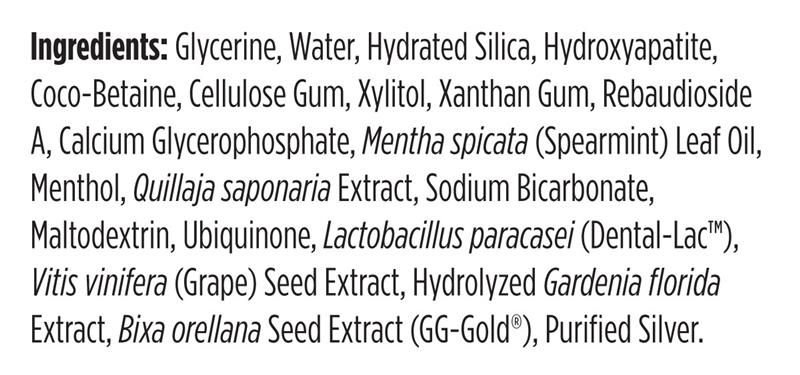
I am excited to have a toothpaste that features purified silver, coenzyme Q10 (CoQ10), grape seed extract, and Dental-Lac™, a Lactobacillus paracasei probiotic that has been shown in research to help support oral microbial balance and periodontal health. This toothpaste contains no fluoride, sodium lauryl sulfate, or saccharin. It is also free of BPAs, parabens, synthetic colors, as well as gluten, and synthetic sweeteners. Periobiotic™ Silver may help maintain dental and oral health and may support oral microbial balance.


Ingredients in Peribiotic Silver


Top reviews from the United States

4.0 out of 5 stars First take

Reviewed in the United States on August 17, 2023

Flavor Name: Spearmint

Verified Purchase

I like the mild taste and the smooth texture

5.0 out of 5 stars Works so well

Reviewed in the United States on September 3, 2023

Flavor Name: Spearmint

Verified Purchase

Takes such a small amount. Foams very well and does a great job without the toxins.

4.0 out of 5 stars tastes so off putting

Reviewed in the United States on August 30, 2023

Flavor Name: Lemon

Verified Purchase

the taste is so weird it really steered me away from even finishing the toob

Dr. Paul’s Response: Yes I know, the Spearmint is much better!

5.0 out of 5 stars Removed decades of tartar from my front back teeth!

Reviewed in the United States on September 22, 2023

Flavor Name: Lemon

Verified Purchase

I wish I had photos of my bottom front teeth before I started using this toothpaste. I have nothing else at all to attribute it to, but after only a few weeks of using this, not even every day mind you.......the buildup of tartar that had been at the bottom of the back of my front teeth just FELL OFF in my mouth while I was watching tv! So crazy! I never expected to really notice much at all with this toothpaste. I have made my own colloidal silver for many years now, and have used it in my mouth countless times, and have never experienced anything so noticeable, except that it heals gums SUPER fast, especially when used in a water pik! Anyway, back to the toothpaste......I went looking for a silver toothpaste, and found this! I bought the lemon flavor. Since I use homeopathy, I steer clear of mint toothpastes, or it could antidote the remedies. The lemon flavor is ok. It's not great, could definitely be better, but it's also not bad. Slight bitterness to me. My husband doesn't notice any bitterness, and he likes it, as well. We will definitely keep purchasing this brand! I've used natural toothpastes and powders for my entire life. Never have had fluoride toothpaste, so it's super important for us to have fluoride-free toothpaste, and natural ingredients. I'd love it if they also had other flavors like strawberry, orange, pink grapefruit, lime, grape.....something other than mint as the only other option.
Give it a try, especially if you have tartar buildup! Highly recommend!

5.0 out of 5 stars Love it!

Reviewed in the United States on August 14, 2023

Flavor Name: Spearmint

Verified Purchase

A friend recommended this and so I tried it and I just love it. It's mild but has a good taste and makes your mouth feel good. I would definitely recommend it.

3.0 out of 5 stars Not senior friendly but good taste

Reviewed in the United States on October 12, 2023

Flavor Name: Spearmint

Verified Purchase

I like this product but I bought it for my mom who has dementia. Most older people will have trouble opening this tube. The paste is so dense it takes some hand strength to squeeze out - easy for regular folks but not for the elderly or those with arthritis. Also it’s hard to tell that this is toothpaste. The word “toothpaste” is not prominent enough, so I’ve watched my mom get confused as to what this is. For the next packaging revamp I would suggest researching how effective this bottle is for a wider range of customers. Other than that, great product!

5.0 out of 5 stars This Product Really Works

Reviewed in the United States on September 3, 2023

Flavor Name: Spearmint

Verified Purchase

I was quite intrigued by the claims of this product, so I went ahead and purchased one; it did not disappoint. My teeth are the whitest they've ever been, I have less plaque, and I don't have morning breath. After using this toothpaste for a week, I bought two more. Someone said in their review that it caused their gums/teeth to bleed; initially, this also happened to me but I changed my toothbrush and the problem was solved. This product may be a bit pricey, but the benefits are excellent!

5.0 out of 5 stars Great toothpaste

Reviewed in the United States on August 9, 2023

Flavor Name: Spearmint

Verified Purchase

I was hesitant to use toothpaste that didn't have fluoride. It was given to me by a friend and stuck to it. Surprisingly, my teeth stopped having the usual pains after about a week. Sticking to fluoride-free toothpaste from now on, great stuff.


What is the benefit of Green Coffee vs Regular Coffee?


Dr. Paul Kwik

Author: Dr. Paul Kwik D.C.

Chiropractor, Functional Health Doctor, EMF Remediation Specialist
📩 [Contact for personalized health plans]

Green coffee and regular coffee have some differences in terms of health benefits and composition, but whether one is "better" than the other depends on your specific health goals and preferences. Here are some key differences to consider:

  1. Antioxidants: Green coffee beans are rich in a group of antioxidants called chlorogenic acids, which can have various health benefits, including reducing inflammation and improving blood sugar control. Regular coffee also contains antioxidants, but the roasting process can reduce the chlorogenic acid content.

  2. Caffeine Content: Green coffee typically contains less caffeine than regular coffee. If you're looking to reduce your caffeine intake, green coffee might be a better choice for you.

  3. Weight Loss: Some studies have suggested that the chlorogenic acids in green coffee may help with weight loss by increasing metabolism and reducing the absorption of carbohydrates. However, the evidence is not conclusive, and more research is needed.

  4. Taste: Green coffee has a milder, slightly grassy flavor compared to the rich and roasted taste of regular coffee. Taste preferences vary, so this may be a personal preference.

  5. Digestibility: Green coffee can be harder to digest for some people, leading to digestive discomfort. Roasting coffee beans can make them easier on the stomach.

  6. Preparation: Green coffee beans are typically not used to make a traditional cup of coffee. Instead, they are often consumed as supplements or in extract form. Regular coffee is the more common choice for brewing a cup of coffee.

  7. Acidity: Green coffee is generally less acidic than roasted coffee, which may be preferable for people with acid sensitivity.

In summary, both green coffee and regular coffee have potential health benefits, but they differ in terms of their composition and how they are prepared and consumed. Whether one is better than the other for your health depends on your individual preferences and health goals. If you're considering incorporating green coffee into your diet, it's a good idea to consult with a healthcare professional to ensure it aligns with your specific health needs.

How I, Dr. Paul, get my caffeine.

I get it from Pretrain NRG. Which has many benefits, including green coffee.

Benefits of PreTrain NRG:

PreTrain NRG™ is a comprehensive start of your day or pre‑workout powder for you warrior moms or office warriors or atheletes.* It is formulated with an extensive blend of well‑researched, beneficial nutrients to help support focus, power, and mental energy in athletes.* It features tyrosine, acetyl‑L‑carnitine, L‑theanine, and caffeine to help promote focus, energy, and fat metabolism, along with the energy‑producing molecule, adenosine‑5’‑triphosphate (ATP), to support strength, power, and recovery during exercise, and to help curtail exercise‑induced fatigue.* To help push the boundaries on muscular endurance and strength, magnesium and creatine are included to support athletic performance, strength, and help hydrate the muscles during exercise.* PreTrain NRG™ powder has a pleasant‑tasting, strawberry flavor and is sweetened with stevia leaf and monk fruit extracts. Nutrients that support focus, energy, and endurance in athletes are essential for promoting optimal sports performance, strength, and progress.* Taking carefully selected brain‑supportive nutrients before exercise workouts can have a significant impact on training performance.* Although pre‑workout supplements have gained tremendous popularity, many have high amounts of caffeine. Research shows acute caffeine ingestion before workouts may favorably impact high‑intensity exercise and endurance. However, numerous pre‑workout supplements on the market contain the caffeine equivalent to five strong cups of coffee, which may negatively impact the body’s stress response over time.* PreTrain NRG™ supports the nervous system and adrenal glands by providing a 2‑to‑1 ratio of L‑theanine and caffeine (sourced from green coffee beans).* Considering L‑theanine is a calming amino acid, this ratio may help promote mental alertness and provide clean energy and a calm focus to help power through any workout without the jitters or energy crash often experienced after consuming products containing high amounts of caffeine.*

  1. Promotes mental and emotional calm •

  2. Helps support a healthy stress response •

  3. May help support occasional feelings of anxiousness •

  4. Encourages feelings of relaxation •

  5. Helps promote restful sleep •

  6. May help promote focus, attention, and concentration

Individual responses to supplements can vary, so it's a good idea to start with a lower dose and assess how your body reacts before increasing the dosage.

This is for Health information only and not intended to treat any medical condition. It's advisable to consult with a healthcare professional, especially if you have underlying health conditions or are taking medications. They can help determine if the product is suitable for your specific needs and provide guidance on safe and effective usage.

*These statements have not been evaluated by the Food and Drug Administration. This product is not intended to diagnose, treat, cure, or prevent any disease.


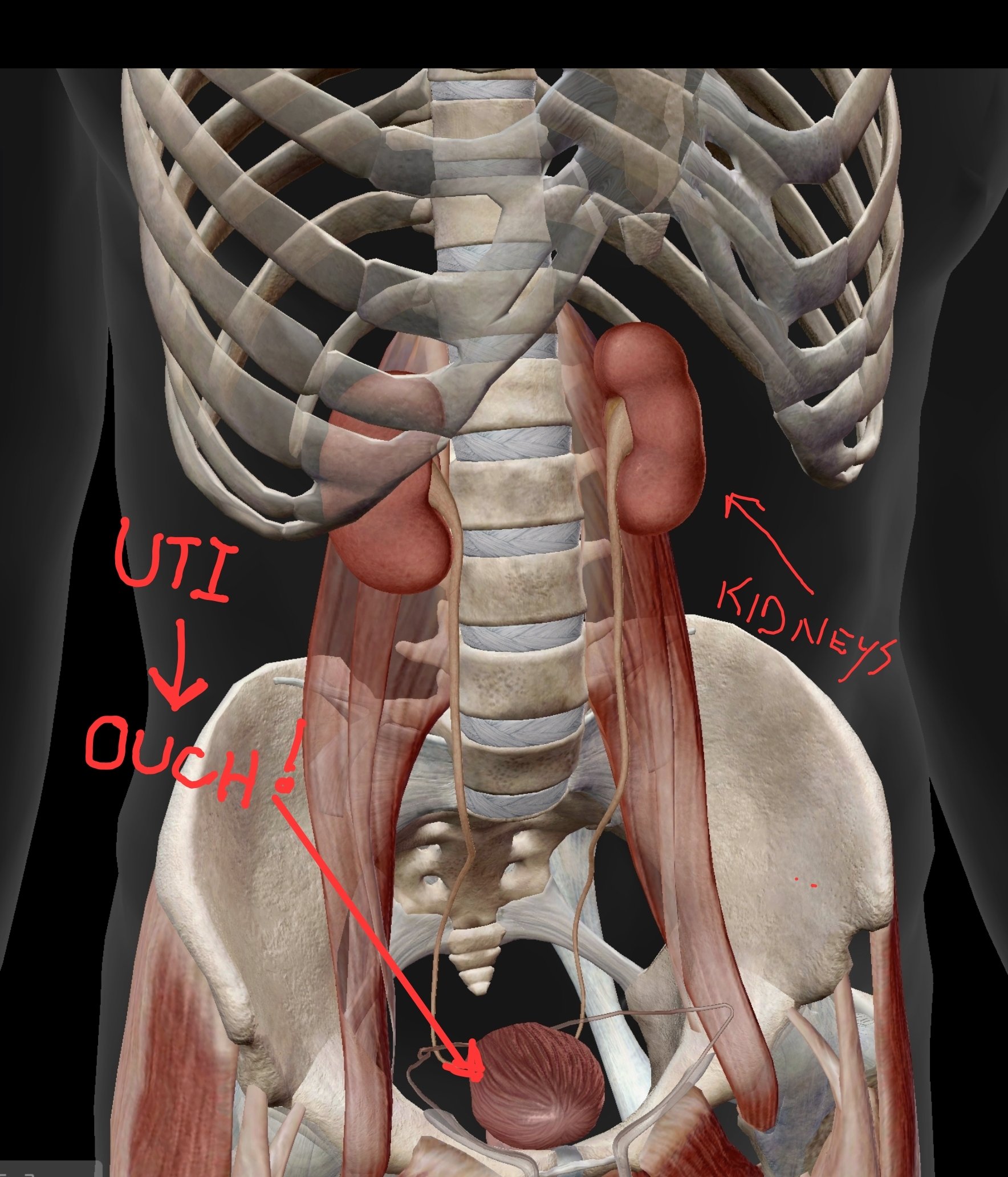
Painful UTIs and What To Do About Them!

Dr. Paul Kwik

Author: Dr. Paul Kwik D.C.

Chiropractor, Functional Health Doctor, EMF Remediation Specialist
📩 [Contact for personalized health plans]


URINARY TRACT INFECTION 

Lifestyle Recommendations: 

• Stay well-hydrated to facilitate the flushing out of bacteria from the urinary system.

• Urinate at the moment of urging; do not delay as it may increase the risk of bacterial overgrowth.

• Urinate and wash before and after sexual intercourse.  

• Practice good personal hygiene and cleanse genitalia daily. 

• Women should abstain from the use of douches, hygiene sprays, and scented powders. Instead use pure, unscented soap and water. 

• Wear cotton underwear; avoid underwear of silk, polyester, and other lighter material.  

• Avoid wearing thongs and tight-fitting pants/underwear on a regular basis.  

• Avoid sitting for long periods of time; take a break and move/walk after a couple of hours. 

Dietary Tips and Caveats: 

• Avoid all sugars - like high fructose corn syrup and white flour products. As well as refined, high-glycemic, carbohydrates, including cereals and pasta. 

• Drink plenty of filtered water. 

• Avoid dehydrating beverages such as alcohol, caffeinated coffees, and soft drinks. 

• Drink 3-4 glasses per day of unsweetened cranberry juice mixed with water if under 40 years of age (women over 40 may experience bladder irritation from cranberry juice). 

• Get a balance of omega-3 fats (salmon, mackerel, herring, sardines) and omega-9 fats (olive oil, olives, almonds, hazelnuts, and avocados). 

Supplement Recommendations (Designs for Health): 

  • Homeopathic: E. Coli is the common culprit. Our office has this Remedy to specifically target E. Coli.

  • Probiophage DF™: 1- 2 capsules per day with breakfast

  • UT Synergy™: 2 capsules, 3-4 times per day at the onset of symptoms

  • Silvercillin™ Liquid: 1 TBSP, 2 times per day

For Severe Acute Infections:

As part of a maintenance dose in recurrent UTIs:

  • UT Intensive™ Chewables (D mannose and Cranberry): 1 chewable per day along with UT Synergy™


    **If significantly elevated temperature, flank pain, and/or severe burning on urination develop, or if infection persists past several days, a full medical evaluation should be performed and antibiotic therapy considered.


Other Natural Remedies (If you want to purchase these on your own):

*Remember: High Quality Supplements = Greater Results! Don’t skimp on getting the cheapest supplement. You get what you pay for!

  • Cranberry Extract: Cranberry supplements or cranberry juice are often mentioned as a potential preventative measure for UTIs. Some studies suggest that cranberry may help reduce the risk of recurrent UTIs by preventing bacteria from adhering to the urinary tract lining.

  • D-Mannose: D-Mannose is a type of sugar found in cranberries and other fruits. Some people use it as a supplement to help prevent or alleviate UTIs. It is believed to work by preventing bacteria from adhering to the urinary tract lining.

  • Probiotics: Probiotics are beneficial bacteria that can help maintain a healthy balance of microorganisms in the gut and urinary tract. Some research suggests that certain probiotic strains may be useful in preventing UTIs.

  • Vitamin C: Vitamin C may help acidify the urine, making it less favorable for the growth of bacteria. It's not a direct treatment for UTIs but can potentially support urinary tract health.

  • Dandelion Root: Dandelion root is sometimes used in herbal remedies for urinary tract health. It is believed to have diuretic properties and may help flush bacteria out of the urinary tract.

  • Garlic: Garlic is known for its potential antibacterial properties and immune system support. Some people use garlic supplements as a natural remedy, but more research is needed to establish its effectiveness for UTIs.

  • Kimchi: Kimchi has a ton of immune-fighting properties. It’s an acquired taste! Be prepared to have a potential garlic smell! Painful UTIs can be harmful to kidneys so you will do what it takes!

Keto Popcorn Snack Recipe


Dr. Paul Kwik

Author: Dr. Paul Kwik D.C.

Chiropractor, Functional Health Doctor, EMF Remediation Specialist
📩 [Contact for personalized health plans]

Keto popcorn is a low-carb alternative to traditional popcorn, which is typically high in carbohydrates. Instead of using corn kernels, you'll use a different base to create a keto-friendly snack. Here's a simple recipe for making keto popcorn:

Ingredients:

  • 1/2 cup of coconut flakes (unsweetened)

  • 1/2 cup of almonds (sliced or slivered)

  • 1/4 cup of cheddar cheese (finely grated)

  • 1/4 cup of Parmesan cheese (grated)

  • 2 tablespoons of olive oil or melted coconut oil

  • 1/2 teaspoon of garlic powder

  • 1/2 teaspoon of paprika

  • Salt and pepper to taste

Instructions:

  • Preheat your oven to 325°F (160°C).

  • In a mixing bowl, combine the coconut flakes and sliced almonds. These will be the main components of your keto popcorn.

  • In a separate small bowl, mix together the grated cheddar cheese, grated Parmesan cheese, garlic powder, paprika, salt, and pepper. This will be your seasoning mixture.

  • Drizzle the olive oil or melted coconut oil over the coconut flakes and almonds. Toss them together until they're well-coated with the oil.

  • Sprinkle the seasoning mixture over the coconut and almond mixture. Make sure to evenly distribute the seasonings.

  • Spread the coated coconut flakes and almonds in a single layer on a baking sheet lined with parchment paper. Ensure that they're not too crowded to allow for even baking.

  • Bake in the preheated oven for about 10-12 minutes or until the coconut and almonds turn golden brown. Keep a close eye on them to prevent burning, as the baking time may vary.

  • Remove the keto popcorn from the oven and let it cool on the baking sheet for a few minutes.

  • Once it has cooled slightly, you can break it into smaller pieces if desired, resembling popcorn.

Serve your keto popcorn as a crunchy, savory snack!

Feel free to adjust the seasonings to your taste preferences, and you can experiment with different spices and herbs to create unique flavors. This keto-friendly popcorn alternative is a great way to satisfy your cravings for a crunchy snack without the high carbohydrate content of traditional popcorn. Enjoy!


Here are the approximate macronutrient (macros) values for the keto popcorn snack recipe provided in a single serving (the values can vary depending on the exact quantities and brands of ingredients used):

  • Calories: 300-350 kcal

  • Fat: 28-32 grams

  • Protein: 6-8 grams

  • Carbohydrates: 6-8 grams

  • Dietary Fiber: 4-5 grams

  • Net Carbs (Total Carbs - Fiber): 2-3 grams

How To Strengthen Your Back and Prevent Back Pain

I found this article done by Thomas Michaud, DC on Dynamic Chiropractic and thought it would help you.

Pay attention to my highlights.

Final Thoughts:

  • Low back pain is very common and there are multiple different causes for it.

  • There are 3 primary causes: Physical trauma, Nutrition Imbalances, and even Emotional stresses can contribute.

  • This article is on the Physical component, primarily the weakness of the back.

  • I found this article simple and can be easily implemented in your daily routine.

  • As with any exercise, Consistency and Repetition is key. But first, do a home assessment using these guidelines to see if your back is weak.

  • We are here to help if you want a thorough assessment.


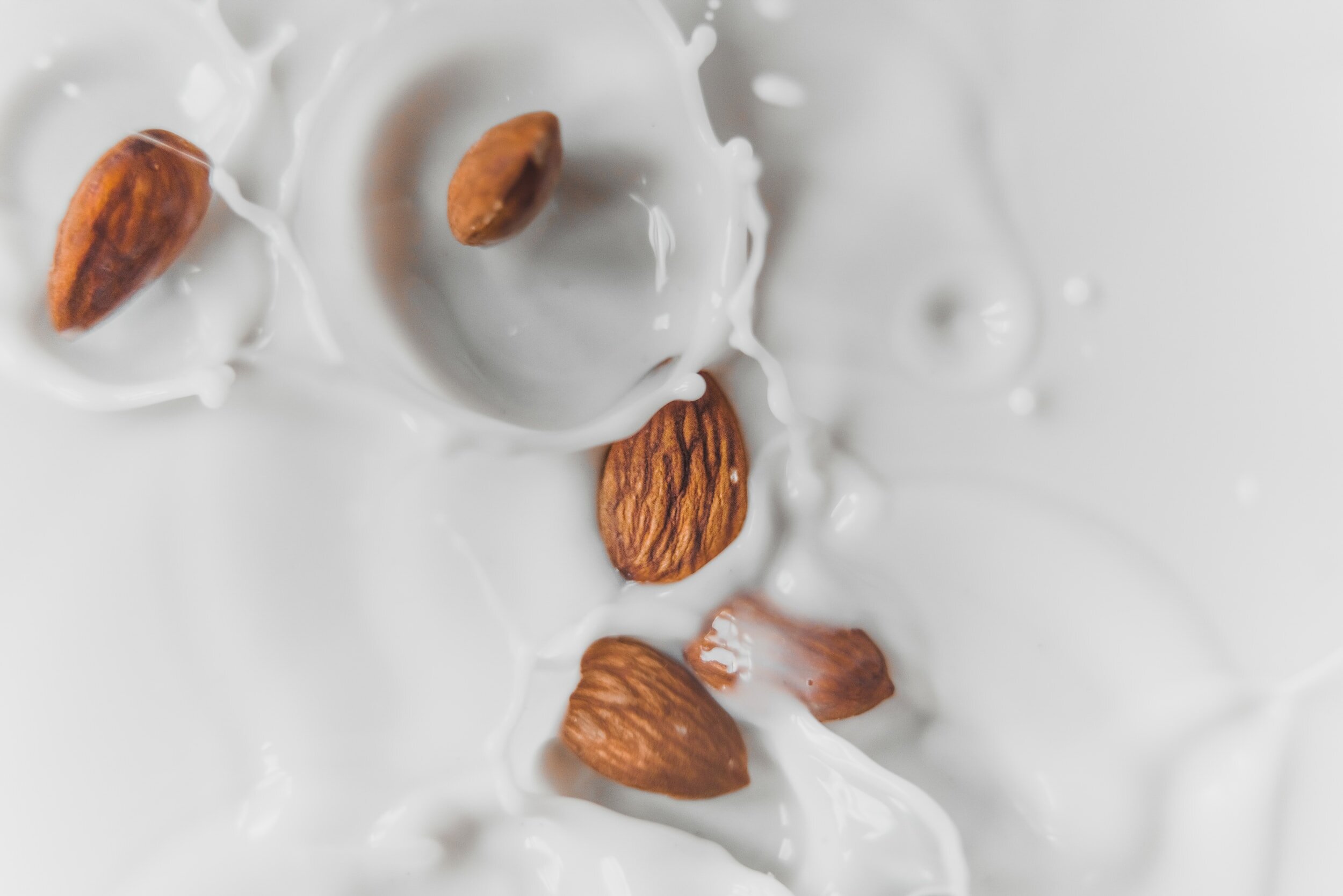
Make Your Own Healthy and Inexpensive Almond Milk! + A Delicious and Healthy Smoothie Recipe


Watched a great recipe on Instagram…

  • 1 date or 1 tbsp Allulose (I, Dr. Paul, prefer dates unless you are on a strict, low-carb, diet)

  • 3 cups filtered water

  • Vanilla extract

  • 2 tbsp almond butter

  • BLEND WELL and VOILA! You're Done!

  • It's better if you have a powerful blender like Vitamix or Blendtec. Try it on your own and comment below if you have a different blender. These blenders are powerful enough to make it homogenous.

Chocolaty Coconut Delight

Tools Needed: Vitamix, Blendtec, or other powerful blender helps it be more homogenous (especially for dates and seeds).

2 servings

Ingredients:

Do You Have Parasites?


Dr. Paul Kwik

Author: Dr. Paul Kwik D.C.

Chiropractor, Functional Health Doctor, EMF Remediation Specialist
📩 [Contact for personalized health plans]

More than 50% of my immediate family and patients test positive for them! Parasites are organisms that live on or inside another organism (the host) and obtain their nutrients at the expense of the host. They can affect human health in various ways, depending on the type of parasite and the specific host-parasite interaction. Here are some ways parasites can impact our health:

Parasitic infections can cause a wide range of symptoms, and the specific symptoms depend on the type of parasite, the location of the infection in the body, and the overall health of the individual. Common symptoms of parasitic infections can include:

Are You Suffering with Any of the Following Symptoms?

  1. Digestive Disturbances:

    • Diarrhea

    • Constipation

    • Nausea

    • Vomiting

    • Abdominal pain or cramping

    • Gas and bloating

  2. Weight Loss:

    • Unexplained weight loss despite normal eating habits

  3. Fatigue and Weakness:

    • Chronic fatigue

    • Weakness

  4. Skin Issues:

    • Itching, rashes, or hives

    • Sores or lesions on the skin

  5. Aches and Pains:

    • Muscle aches

    • Joint pain

  6. Sleep Disturbances:

    • Insomnia

    • Restlessness during sleep

  7. Anemia:

    • Iron-deficiency anemia

  8. Allergies:

    • Development of new allergies or worsening of existing allergies

  9. Mental Health Symptoms:

    • Anxiety

    • Depression

It's important to note that these symptoms can be caused by various health conditions, and experiencing one or more of these symptoms does not necessarily mean you have a parasitic infection. If you suspect you may have a parasitic infection or are experiencing persistent or severe symptoms, it is essential to seek medical attention. A healthcare professional can conduct tests to diagnose the specific parasite and recommend appropriate treatment.


Learn Ways to Protect from EMF's and Which Work and Don't Work

I have researched for years and found none that work as well. I have stopped looking because EMF solution products Work!!!! My families life is changed because of it!

What do Martha Stewart, Julia Roberts and You have in Common?

They are proponents of natural ways of staying healthy!

2 keys to health are found in Your Body’s way of Healing itself! How does it do that?

  1. Nrf2 Modulation: This involves enhancing the cell's antioxidant defense mechanisms by activating the Nrf2 pathway. It is a targeted approach to bolster the cell's ability to handle oxidative stress and prevent damage caused by excessive ROS.

  2. Redox Signaling Molecules: This refers to the broader role of certain molecules in cell signaling and communication. These molecules transmit information that regulates various cellular processes beyond just antioxidant defense, including growth, immune responses, and cell death.

    In summary, Nrf2 modulation is a specific strategy to enhance antioxidant defenses, while redox signaling molecules encompass a wider range of cellular signaling processes involving reactive oxygen and nitrogen species. Both concepts are related to maintaining cellular health and function, and they can interact in complex ways within the cellular environment.

Benefits of Hair Testing for Anti Aging

Hair testing for minerals and heavy metals offers several benefits, including:

  1. Non-invasive: Hair testing is a non-invasive method of assessing mineral and heavy metal levels in the body. It involves collecting a small sample of hair, which can be easily obtained from the scalp or other areas of the body.

  2. Long-term exposure assessment: Hair provides a record of mineral and heavy metal exposure over an extended period. Since hair grows at a relatively slow and consistent rate, a strand of hair can provide information about exposure to minerals and heavy metals over several months.

  3. Comprehensive analysis: Hair testing can provide a comprehensive analysis of mineral and heavy metal levels. It allows for the assessment of a wide range of elements, including essential minerals like zinc, iron, and magnesium, as well as toxic metals like lead, mercury, cadmium, and arsenic.

  4. Early detection of imbalances or toxicity: Hair testing can help detect imbalances or excessive levels of minerals and heavy metals before symptoms manifest. This early detection can enable proactive measures to address potential deficiencies or reduce exposure to toxic elements.

  5. Monitoring treatment progress: For individuals undergoing treatments for mineral deficiencies or heavy metal detoxification, hair testing can be used to monitor the effectiveness of interventions over time. By periodically testing the hair, changes in mineral and heavy metal levels can be tracked to assess treatment progress.

  6. Individualized nutritional guidance: Hair testing results can provide valuable insights into an individual's nutritional status and help tailor personalized dietary and supplement recommendations. Identifying mineral imbalances or deficiencies can guide interventions to optimize nutritional health.

  7. Occupational and environmental exposure assessment: Hair testing is valuable in assessing occupational or environmental exposure to heavy metals. It can be used to identify potential sources of contamination and evaluate the effectiveness of workplace safety measures or environmental remediation efforts.

  8. Research and epidemiological studies: Hair testing data can be used in research and epidemiological studies to investigate associations between mineral/heavy metal levels and various health conditions. This information can contribute to a better understanding of the impact of these elements on human health.


How Heavy Metal Chelation Can Help Your Health!

DMPS Chelation Therapy Benefits

DMPS (2,3-dimercapto-1-propanesulfonic acid) is a chelating agent that is used in chelation therapy to remove heavy metals from the body. It is similar to another chelating agent called DMSA (2,3-dimercaptosuccinic acid). Here are some potential benefits of DMPS chelation therapy:

Heavy metal detoxification: DMPS is primarily used to remove toxic heavy metals, such as mercury, lead, arsenic, and cadmium, from the body. These metals can accumulate in tissues over time and may cause various health issues. DMPS binds to these metals and facilitates their excretion through urine.

Treatment of heavy metal toxicity: DMPS chelation therapy is often used as a treatment for heavy metal poisoning or toxicity. It can be effective in cases where acute or chronic exposure to heavy metals has occurred, such as in cases of occupational exposure or accidental ingestion.

Neurological benefits: Some research suggests that DMPS chelation therapy may have benefits for certain neurological conditions associated with heavy metal toxicity. For example, it has been studied as a potential treatment for mercury toxicity and its neurological effects, including cognitive impairment and neurodevelopmental disorders.

Cardiovascular health: Chelation therapy, including DMPS, has been explored as a potential treatment for cardiovascular diseases, particularly atherosclerosis. Some studies have suggested that chelation therapy may help remove heavy metals from blood vessels, reduce inflammation, and improve blood flow, potentially leading to cardiovascular benefits.

Antioxidant effects: DMPS has been found to possess antioxidant properties, which may help reduce oxidative stress in the body. Oxidative stress can contribute to various health problems, including cardiovascular disease, neurodegenerative disorders, and aging. By reducing oxidative stress, DMPS may have potential benefits for overall health.


DNA damage from Cell phone/EMF and What to Do about it

24 Hours On a Cell Phone = 1,600 Chest X-Rays Of DNA Damage

Could This Be True???

This may be the most important study you ever see regarding your Cell Phone.
You must see what results the multi-million dollar study produced… paid for by the European Union, done across 12 institutions. This study helped cause over
40 countries to pass Federal EMF Laws including things like banning Wi-Fi & Cell Phones from Schools, etc.


Protecting Yourself from EMFs: Safeguarding Your Health in a Wireless World
In today's fast-paced digital age, the omnipresence of technology is undeniable. We rely heavily on wireless devices such as smartphones, laptops, and Wi-Fi networks for communication, work, and entertainment. However, with the rise of electronic devices comes an important concern that often goes unnoticed: electromagnetic fields (EMFs). It is crucial for us to understand the potential health risks associated with EMFs and take appropriate measures to protect ourselves.
EMFs are invisible fields of energy that are generated by the electromagnetic radiation emitted from our electronic devices. While there is no conclusive evidence proving that EMFs cause direct harm to human health, numerous studies have raised concerns about the potential long-term effects of EMF exposure. As responsible individuals, it is our duty to prioritize our well-being and take steps to minimize unnecessary EMF exposure.
1. Educate Yourself: Start by learning about EMFs, their sources, and their effects on the human body. Understand the different types of EMFs, such as low-frequency and radiofrequency, and how they interact with our biological systems. Knowledge is power, and by understanding EMFs, you can make informed decisions to protect yourself.
2. Limit Cell Phone Usage: Our mobile phones are one of the primary sources of EMFs. Limit the duration and proximity of cell phone conversations, as holding the device close to your head increases exposure. Whenever possible, use speakerphone or hands-free devices and keep your phone away from your body when not in use. Consider using airplane mode during sleep to reduce nighttime exposure.
3. Create EMF-Free Zones: Establish dedicated EMF-free areas in your home, such as bedrooms, where you spend a significant amount of time. Minimize the number of electronic devices present, especially those connected to Wi-Fi networks. Creating an environment free from EMFs will allow your body to rest and rejuvenate without unnecessary exposure.
4. Distance is Key: Maintain a safe distance from EMF-emitting devices. Keep your laptop on a desk, rather than on your lap, reducing exposure to your sensitive reproductive organs. When using Wi-Fi, position the router away from frequently occupied areas, such as the bedroom or living room.
5. Use EMF Protection Devices: Consider investing in EMF protection devices that are designed to absorb or deflect electromagnetic radiation. These can range from simple EMF shields for your cell phone to special insertions for laptop


Beating Gas: Distended Chronic Abdomen and Chronic Constipation

Photo by Eric IsselTe/Hemera / Getty Images

Photo by Eric IsselTe/Hemera / Getty Images

Here is an email I just received from a patient: (italicized are my comments)

This patient has been to multiple medical doctors and alternative doctors, me being the last one. I have seen her now for about 2 years loading her on every therapy I have, including many supplements but to no avail. This email is about her success after 1 FCT session which involved taking homeopathic drops over a period of only 2 days.

“Hi Dr. Paul,

I had a decent BM (bowel movement) this morning, lightening the load a pound which always puts a smile on my face.  The even better news is………the bloat is down!!!!!!  

I believe it is the vials at work?!  I haven’t changed anything otherwise except adding 3 Dr. Schulze caps but that was days ago.  I just finished the vial protocol yesterday, so it must be their energy?!  Wow!  I am elated!  Thank you!  I hope this is the case and my health will FINALLY shift back to homeostasis, bloat-free, pain-free and feeling good.  Fingers crossed!

Last night a glass pyrex bowl of frozen chicken soup rolled out of the freezer and I tried to block it from crashing onto the stone floor with my foot.  It hit my big toe and is sore today.  It’s not broken, but really?! 

Even my Mom agrees the bloat is down, so maybe she’ll give the vials and you a chance!”


How Much Caffeine is Healthy for You?

The amount of caffeine that is considered healthy on a daily basis can vary depending on several factors, including individual sensitivity to caffeine, age, overall health, and any preexisting medical conditions. The general guideline for healthy caffeine consumption is to limit intake to no more than 400 milligrams (mg) per day for most healthy adults, which is roughly equivalent to four cups of brewed coffee or 10 cans of cola.

However, it's important to note that caffeine sensitivity can vary widely among individuals. Some people may experience adverse effects even with lower amounts of caffeine, while others may be more tolerant and able to consume larger quantities without any issues. Additionally, certain groups may be more sensitive to caffeine, such as pregnant women, individuals with certain medical conditions, and those taking certain medications.

It's always a good idea to listen to your body and be aware of any negative effects that caffeine consumption may have on your health, such as difficulty sleeping, increased heart rate, anxiety, or digestive issues. If you have concerns about your caffeine intake or its potential effects on your health, it's recommended to consult with a healthcare professional for personalized advice.

Common Sense Action Steps

  1. Know your bodies responses: difficulty sleeping, increased heart rate, anxiety, or digestive issues.

  2. Choose high-quality, organic coffee: Look for coffee that is labeled as organic. Organic coffee is grown without the use of synthetic fertilizers, pesticides, or herbicides, which can reduce your exposure to potentially harmful chemicals. I prefer green coffee (see below).

  3. Opt for whole beans and grind them yourself: Whole bean coffee tends to be fresher and more flavorful. Grinding the beans just before brewing helps preserve the coffee's natural oils and flavors. This can result in a better-tasting cup of coffee without the need for additives.

  4. Consider the roast level: Coffee beans can be roasted to different degrees, ranging from light to dark. While the choice of roast level is largely a matter of personal preference, it's worth noting that lighter roasts generally retain more of the coffee's natural antioxidants. Darker roasts may have a bolder flavor but can contain less caffeine and potentially higher levels of acrylamide, a compound formed during the roasting process.

  5. Watch out for flavored coffees: Flavored coffees often contain artificial additives and sweeteners that can increase the calorie content and may not be beneficial for your health. If you prefer flavored coffee, you can try adding natural flavorings like cinnamon or vanilla extract to your regular coffee.

  6. Be mindful of additives: Be cautious with adding excessive amounts of sugar, cream, or syrups to your coffee, as they can contribute to extra calories, added sugars, and unhealthy fats. If you enjoy a creamer, consider using alternatives like almond milk, oat milk, or coconut milk.

  7. Moderation is key: Remember that moderation is important. While coffee can have potential health benefits, consuming excessive amounts can lead to negative effects such as increased heart rate, insomnia, or digestive issues. Stick to recommended caffeine limits and pay attention to how your body responds to coffee.

  8. What are your Genes saying about you and how you react to coffee. Additionally, learn how to optimize your Health and Prevent Early Aging and Disease.

Other Related Topics of Interest:

Is Bulletproof Coffee Healthy For You?

Is Bulletproof Coffee Healthy For You?

Bulletproof coffee is a beverage that typically consists of brewed coffee, grass-fed butter, and medium-chain triglyceride (MCT) oil. It gained popularity as part of the Bulletproof Diet - a high-fat, low-carbohydrate approach to nutrition. While some people enjoy the taste and potential benefits of bulletproof coffee, it's overall healthiness is a matter of debate and individual preference.

Proponents of bulletproof coffee claim that the combination of fats from butter and MCT oil can increase satiety, provide sustained energy, and enhance mental clarity. MCT oil is easily digested and rapidly converted into energy, and some studies suggest that it may have potential benefits for weight management and cognitive function.

However, it's important to consider the potential downsides of bulletproof coffee. First and foremost, it is a highly caloric beverage due to its high fat content. While consuming healthy fats in moderation can be part of a balanced diet, excessive consumption of bulletproof coffee could contribute to an excessive caloric intake, which may lead to weight gain if not compensated for elsewhere in the diet.

Additionally, bulletproof coffee may not be suitable for everyone. People with certain health conditions, such as liver or gallbladder issues, may need to be cautious with consuming large amounts of dietary fat. Moreover, if bulletproof coffee replaces a balanced breakfast or other nutritious meals, it could result in a nutrient deficiency.

In summary, bulletproof coffee can be enjoyed as an occasional treat or part of a well-rounded diet for individuals who tolerate and enjoy it. However, it's important to consider its high caloric content, individual health considerations, and overall dietary balance when deciding if it aligns with your personal health goals. Consulting with a healthcare professional can provide personalized guidance based on your specific needs and circumstances.