Fascia: The Forgotten Organ That Connects Nutrition, Movement, and Energy
/
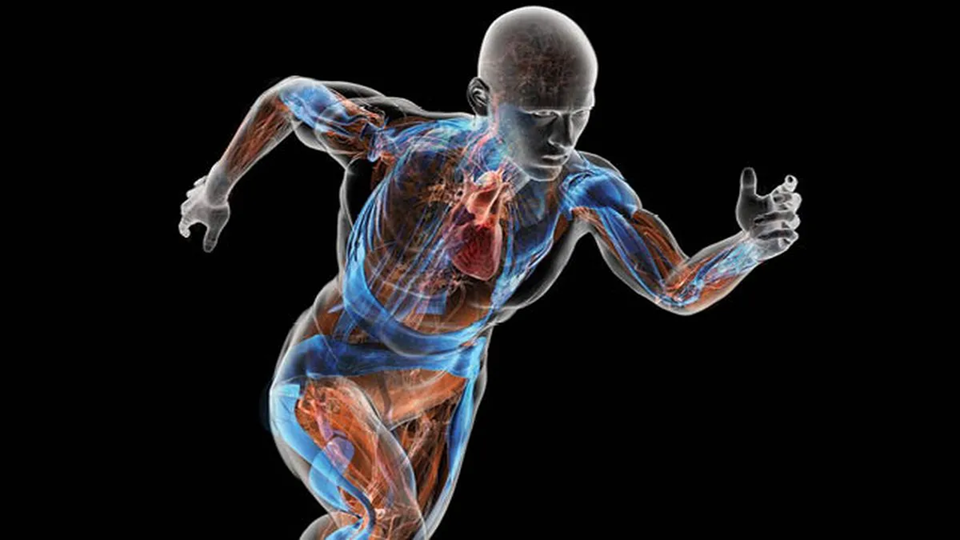

Fascia is one of the most overlooked yet most important systems in the human body. It connects every muscle, organ, nerve, and blood vessel into one continuous web. When fascia is healthy, the body moves, heals, and communicates efficiently. When fascia is damaged, dehydrated, or inflamed, pain, stiffness, poor circulation, and even emotional stress can follow.
This blog explores:
What fascia is and why it matters
How meat-based foods rich in fascia and connective tissue support human health
Why acupressure and meridian therapy naturally work through fascia
What Is Fascia?
Fascia is a three-dimensional connective tissue matrix made primarily of:
Collagen
Elastin
Ground substance (water + minerals + glycosaminoglycans)
Rather than isolated “parts,” the body is wrapped in one continuous fascial network from head to toe. This explains why pain in one area can originate somewhere else entirely.
Fascia’s Core Roles
Structural support and posture
Force transmission (movement efficiency)
Protection of nerves and blood vessels
Shock absorption
Communication via mechano-transduction (pressure → biochemical signaling)
In simple terms: fascia is the body’s internal communication highway.
Fascia and Pain: Why Tightness Spreads
Unlike muscle, fascia:
Has 10x more sensory nerve endings
Responds to hydration, stress, trauma, and inflammation
Can harden, twist, or densify when stressed
This is why chronic pain often:
Doesn’t show up on imaging
Moves around
Improves with manual therapy, pressure, or movement rather than rest alone
Eating Fascia to Heal Fascia
(Traditional Nutrition Meets Modern Science)
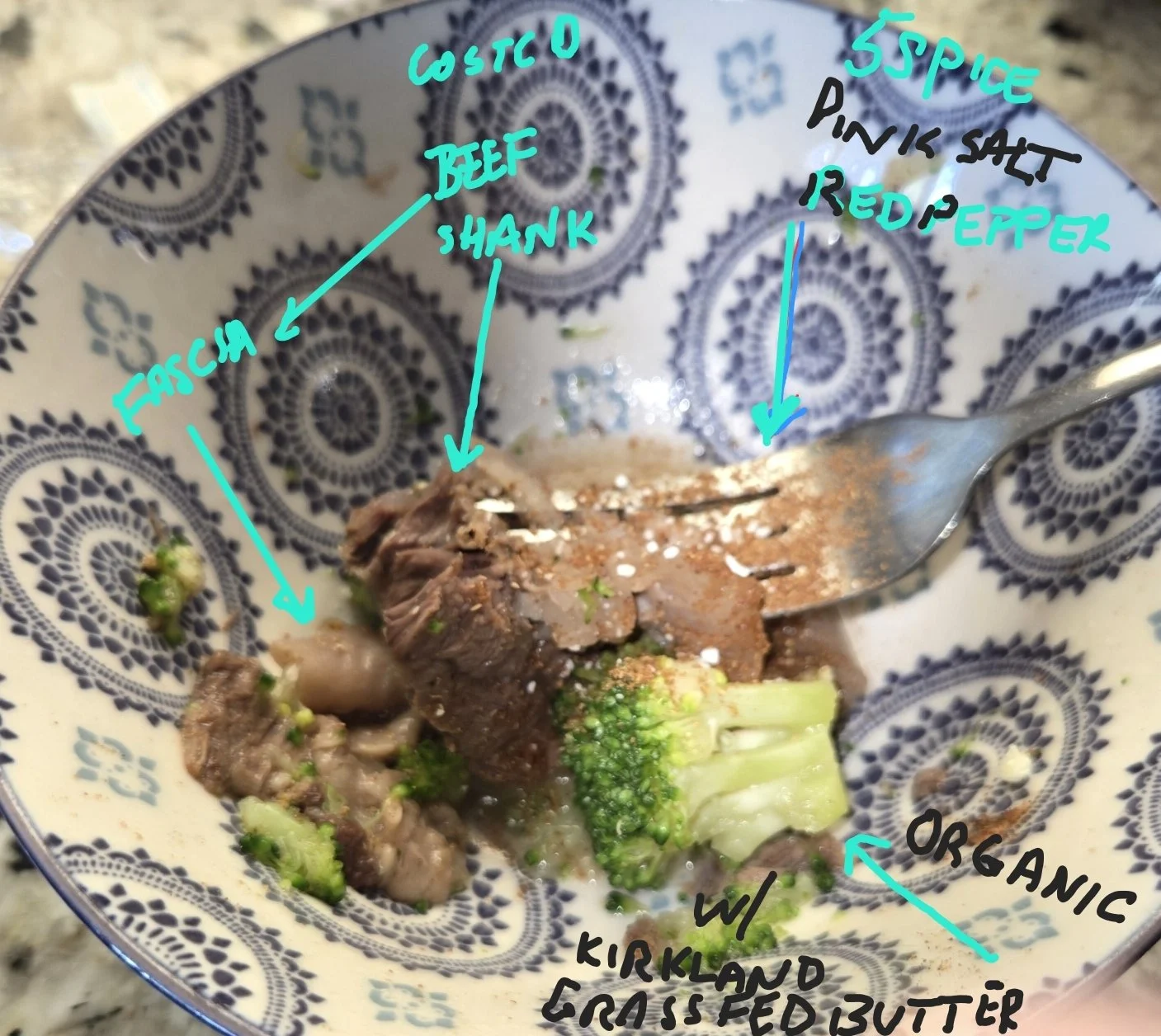
Traditional cultures instinctively consumed connective tissue-rich meats, long before collagen supplements existed.
Best Meat Sources of Fascia & Connective Tissue
Top Choices
Beef shank (osso buco) – rich in fascia, tendons, and glycine
Oxtail – dense connective tissue and minerals
Beef tendons – nearly pure collagen matrix
Chicken feet – collagen, hyaluronic acid, chondroitin
Skin-on poultry – elastin + collagen
Bone broth (slow-cooked) – gelatinized fascia nutrients
Why This Matters
Fascia is made from the same amino acids found in connective tissue meats:
Glycine
Proline
Hydroxyproline
These support:
Joint lubrication
Skin elasticity
Gut lining integrity
Nervous system calming
Tissue repair signaling
Modern diets are muscle-meat heavy and fascia-deficient, which may explain rising rates of joint pain, stiffness, and connective tissue disorders.
Fascia, Stress, and the Nervous System
Fascia responds directly to:
Emotional stress
Trauma
Breathing patterns
Dehydration
Mineral imbalance
Chronic stress increases fascial tension through the sympathetic nervous system. This is why:
Gentle pressure
Slow movement
Breathwork
Manual therapies
…can produce rapid relief without aggressive force.
Acupressure, Meridians, and Fascia: The Missing Link
For decades, Western medicine questioned meridians because they were not visible as nerves or blood vessels. Fascial research has now bridged that gap.
Key Insight:
Meridians follow fascial planes and intermuscular septa.
When acupressure is applied:
Pressure deforms fascia
Mechanoreceptors send signals to the nervous system
Local blood flow increases
Pain-modulating and anti-inflammatory pathways activate
This explains why:
Points affect distant body regions
Results can be immediate
Gentle pressure works better than force
Meridians Are Not “Energy Lines” Alone
They are functional pathways within the fascial network that transmit mechanical, neurological, and biochemical signals.
“After my first session focusing on head pressure points, I felt euphoric, energized, and slept incredibly well. It made a big difference.” — Charlotte
Why Acupressure Works So Well for Fascia
Acupressure:
Hydrates dense fascial tissue
Restores glide between layers
Improves proprioception (body awareness)
Reduces protective muscle guarding
Rebalances tension patterns
This is also why therapies like:
Myofascial release
Rolfing
Trigger point therapy
Chiropractic adjustments
…often overlap with traditional meridian points.
Practical Takeaways
To Support Healthy Fascia Daily:
Eat connective tissue regularly
Bone broth, shank, oxtail, chicken feet
Hydrate well
Fascia is ~70% water
Move slowly and variably
Walking, gentle stretching, spirals
Use gentle pressure
Acupressure, massage balls, hands
Manage stress
Breathwork directly alters fascial tone
Move Slowly and Variably: The Fascia-Friendly Way to Heal, Move, and Age Well
Fascia thrives on information, not force. Unlike muscle—which responds well to load and repetition—fascia responds best to slow, varied, three-dimensional movement. When movement is rushed, repetitive, or linear, fascia stiffens. When movement is slow, curious, and multi-directional, fascia rehydrates, softens, and reorganizes.
Let’s break this down simply.
Why Slow Movement Matters for Fascia
Fascia is viscoelastic—it behaves partly like a solid and partly like a fluid.
Fast movement → fascia resists and tightens
Slow movement → fascia melts, glides, and adapts
What “Slow” Does Biologically
Allows collagen fibers to lengthen without micro-tearing
Improves interstitial fluid flow (hydration)
Activates mechanoreceptors that calm the nervous system
Reduces protective muscle guarding
Improves proprioception (body awareness)
Rule of thumb:
If you can breathe calmly and feel subtle sensations, you’re moving at the right speed.
Why Variety Is Essential
Fascia adapts to what you do most—and stiffens everywhere else.
Modern life creates:
Straight-line walking
Prolonged sitting
Repetitive patterns (driving, typing, lifting)
This causes:
Fascial densification
Loss of glide between layers
Poor force distribution
Pain appearing “out of nowhere”
Variation restores options.
Fascia loves novelty.
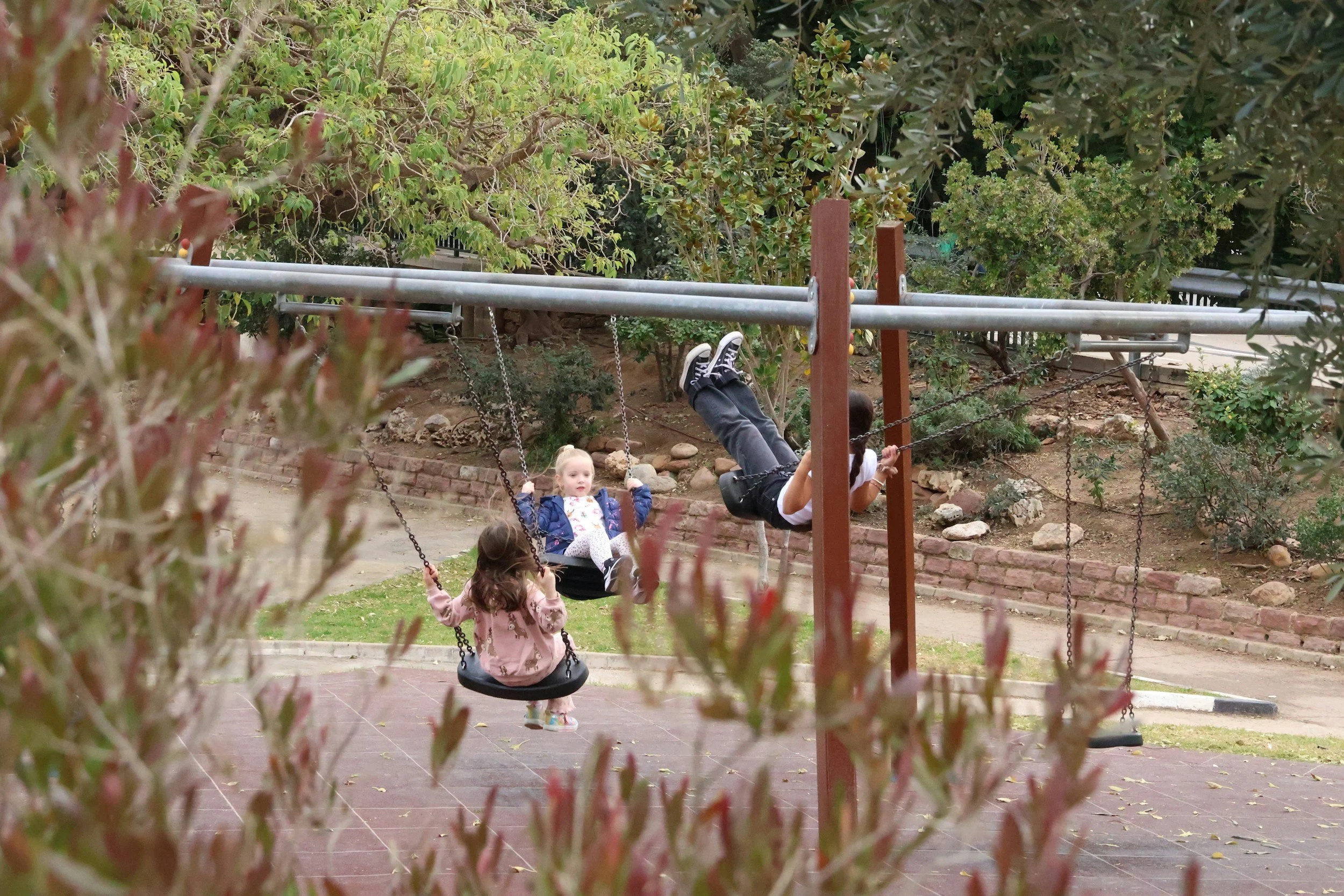
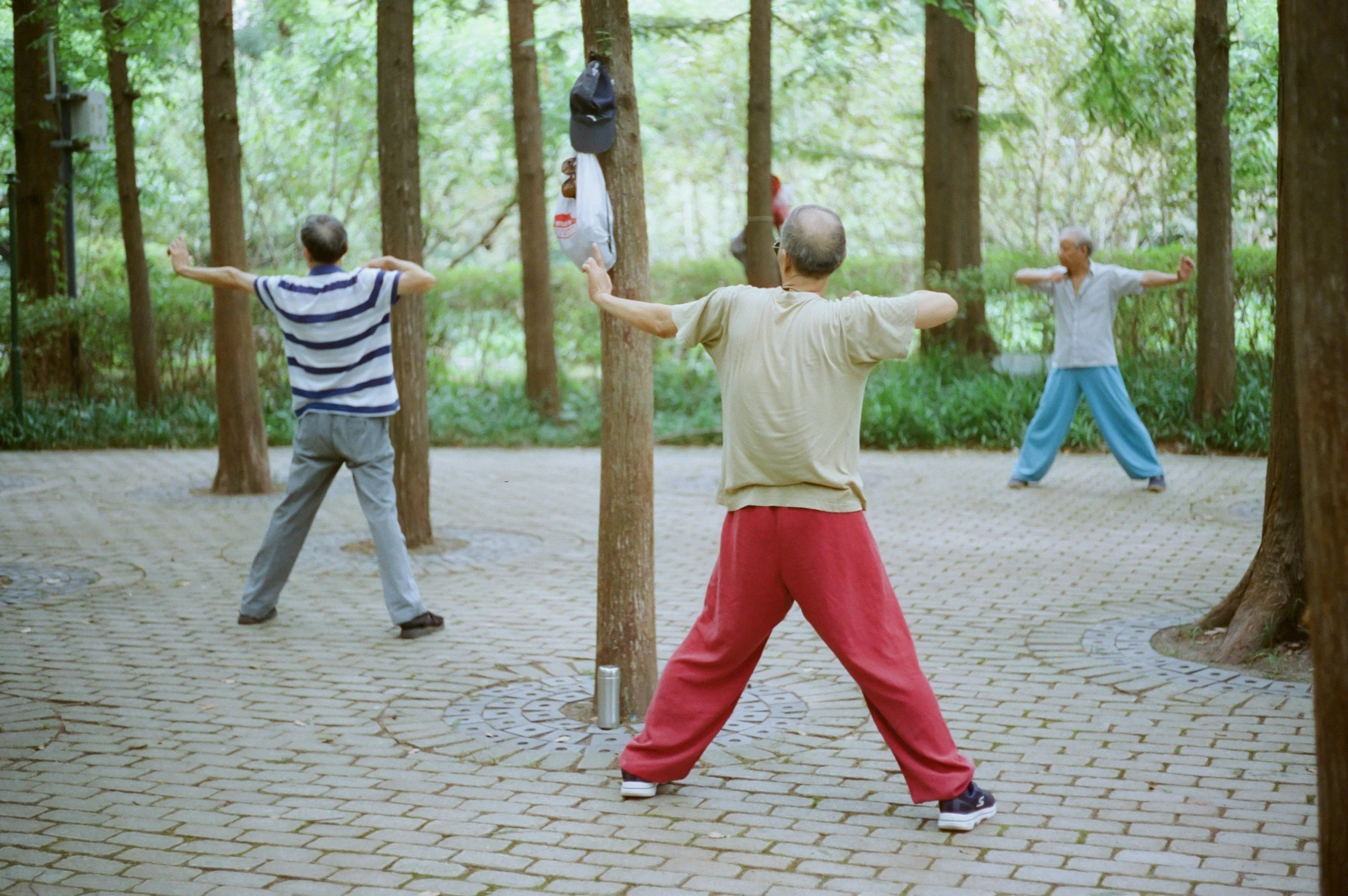
Walking: More Than Just Steps
Walking is the most accessible fascial exercise—but how you walk matters.
Fascia-Friendly Walking Cues
Walk slower than usual
Let arms swing naturally (no stiffness)
Allow gentle torso rotation
Vary stride length slightly
Walk on different surfaces when possible
Walking gently loads:
The superficial front and back lines
The spiral lines connecting shoulders to hips
The deep stabilizing fascia around the spine
This rhythmic loading acts like a pump, hydrating fascia throughout the body.
Gentle Stretching: Melt, Don’t Pull
Fascial stretching is different from muscle stretching.
What NOT to Do
Forcing end-range
Bouncing
Painful pulling
Counting reps aggressively
What Works Instead
Slow entry into stretch
Hold 30–90 seconds
Breathe deeply
Feel spreading, warmth, or softening—not pain
Fascia responds to time under gentle tension, not intensity.
If it feels like you’re “convincing” tissue rather than fighting it—you’re doing it right.
Spirals: Fascia’s Native Language
The body is not built in straight lines—it moves in spirals.
Spiral movement:
Loads fascia diagonally
Restores cross-body communication
Rehydrates deep fascial layers
Integrates joints, muscles, and nerves together
Examples of Spiral Movement
Gentle torso rotations
Reaching across the body
Twisting while stepping
Arm circles combined with trunk motion
Figure-8 movements
Spirals engage the myofascial spiral lines, which are commonly involved in:
Back pain
Hip tightness
Shoulder restrictions
Gait dysfunction
The Nervous System Connection
Slow, variable movement:
Activates parasympathetic tone
Lowers cortisol
Improves vagal signaling
Reduces pain sensitivity
Fascia and the nervous system are inseparable.
When movement slows down, healing speeds up.
Simple Daily Fascia Routine (5–10 Minutes)
1. Slow Walk (2–3 min)
Walk slower than normal, focusing on smooth transitions.
2. Gentle Stretch (2–3 min)
Pick one area (hips, calves, chest). Hold gently and breathe.
3. Spiral Movements (2–4 min)
Slow torso twists, arm circles, or figure-8 motions.
No sweat. No strain. No equipment.
Key Principle to Remember
Muscles like effort.
Fascia likes patience.
Move slowly.
Move differently.
Move often.
That’s how fascia heals—and how the body regains freedom.
Final Thought
Fascia unites:
Nutrition
Movement
Nervous system health
Traditional healing wisdom
When we nourish fascia from the inside (food) and support it from the outside (movement and pressure), the body regains its natural ability to adapt, heal, and communicate.
Fascia isn’t just tissue.
It’s the language your body speaks.
Double-click to edit...