How to Feel Your Best with AutoImmune Symptoms
/
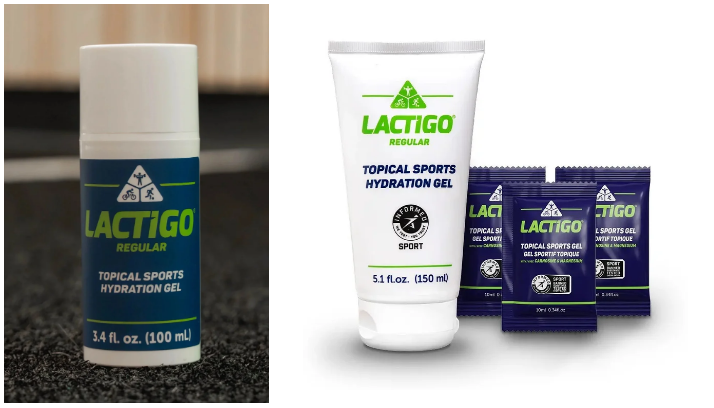
LactiGo gel/Carnosine & Autoimmune Health
Support for Psoriatic Arthritis & Chronic Inflammation
By Dr. Paul Kwik D.C. | Body Intelligent Center
Understanding Psoriatic Arthritis
Psoriatic Arthritis (PsA) is a chronic autoimmune condition where the immune system mistakenly attacks:
Joints → pain, stiffness, swelling
Skin → psoriatic plaques
Connective tissues → long-term degeneration
👉 But at its core, PsA is driven by cellular stress, not just immune dysfunction.
The Real Root Drivers
1. Oxidative Stress
Excess free radicals damage cells → triggers immune activation
2. Glycation (Internal “Rusting”)
Sugars bind to proteins → stiff joints, damaged tissues
3. Inflammatory Overload
Cytokines stay elevated → chronic pain and swelling
4. Poor Cellular Energy
Mitochondria weaken → slower repair and fatigue
What Is Carnosine?
Carnosine is a naturally occurring dipeptide found in:
Muscle
Brain
Heart
👉 It acts as a master protector against many of the processes driving autoimmune damage.
Key problem:
We produce less as we age—and even less during chronic inflammation.
Why Carnosine Matters in Psoriatic Arthritis
Anti-Glycation Protection
Prevents formation of AGEs (Advanced Glycation End Products)
Helps protect joints, skin, and blood vessels
👉 Think of it as helping stop the “rusting” process inside the body
Aldehyde Scavenger (Detox at the Cellular Level)
Binds toxic byproducts like 4-HNE
Reduces cellular damage from inflammation
Anti-Inflammatory Support
Helps calm overactive inflammatory pathways
May reduce:
Joint swelling
Pain
Tissue irritation
Immune Modulation (Balanced, Not Suppressed)
Supports proper immune signaling
Helps avoid excessive immune attacks on the body
Energy & Mitochondrial Support
Enhances cellular energy production
Helps with:
Fatigue
Recovery
Muscle performance
Skin & Tissue Repair
Supports collagen and tissue integrity
May improve:
Psoriatic plaques
Skin healing
Structural resilience
Topical vs Oral Carnosine
| Feature | Topical | Oral |
|---|---|---|
| Absorption | Direct into tissues | Broken down in gut |
| Targeting | Local (joints/skin) | Whole body |
| Speed | Fast | Slower |
| Effectiveness | Higher for symptoms | Variable |
👉 Topical application allows direct delivery where it’s needed most
Clinical Insight
Many individuals using carnosine—especially Topical Lactigo gel/Carnosine—report:
Less stiffness and pain
Improved joint mobility
Reduced flare intensity
Better skin appearance
Increased energy
A Root-Cause Strategy
Unlike conventional approaches that suppress the immune system, carnosine helps:
✔ Reduce underlying damage
✔ Protect tissues
✔ Support repair
✔ Restore balance
Money-Back Guarantee Details
30-day money-back guarantee on your first order / first bottle
If you’re not satisfied, you can request a full refund within that time frame
👉 This allows you to try it risk-free and evaluate real-world results
Final Takeaway
Psoriatic arthritis is not just a joint issue—it’s a whole-body cellular stress condition.
LactiGo gel/Carnosine helps address key drivers:
Glycation (“aging/rusting”)
Inflammation
Low energy production
Tissue damage
👉 That’s why it’s becoming a powerful tool in autoimmune support strategies
📚 Research & References
Hipkiss, A.R.
Carnosine and its possible roles in nutrition and health
→ Discusses anti-glycation and anti-aging mechanismsBoldyrev, A.A., Aldini, G., Derave, W.
Physiology and pathophysiology of carnosine (Physiological Reviews)
→ Covers antioxidant, anti-inflammatory, and cellular protection rolesPubMed ID: 38177283
→ Highlights carnosine’s role in oxidative stress and disease preventionResearch on aldehyde scavenging (HNE binding)
→ Demonstrates detoxification of lipid peroxidation byproductsZucker Rat Metabolic Syndrome Studies
→ Show reduced oxidative damage markers and improved metabolic outcomes