Why Ideal Protein’s New Exercise Guidelines Focus on Walking First
/

Most people have been taught that if they want to lose weight, they need to eat less and exercise more. On the surface, that sounds logical. But for many people, especially those dealing with insulin resistance, that approach can backfire.
The new Ideal Protein exercise guidelines help explain why.
The goal in Phase 1 is not to punish the body with harder workouts. The goal is to retrain the metabolism so the body can access and burn stored fat more efficiently. This is why the program emphasizes Zone 2 exercise, especially walking, instead of high-intensity training during the weight-loss phase.
Why High-Intensity Exercise May Backfire in Phase 1
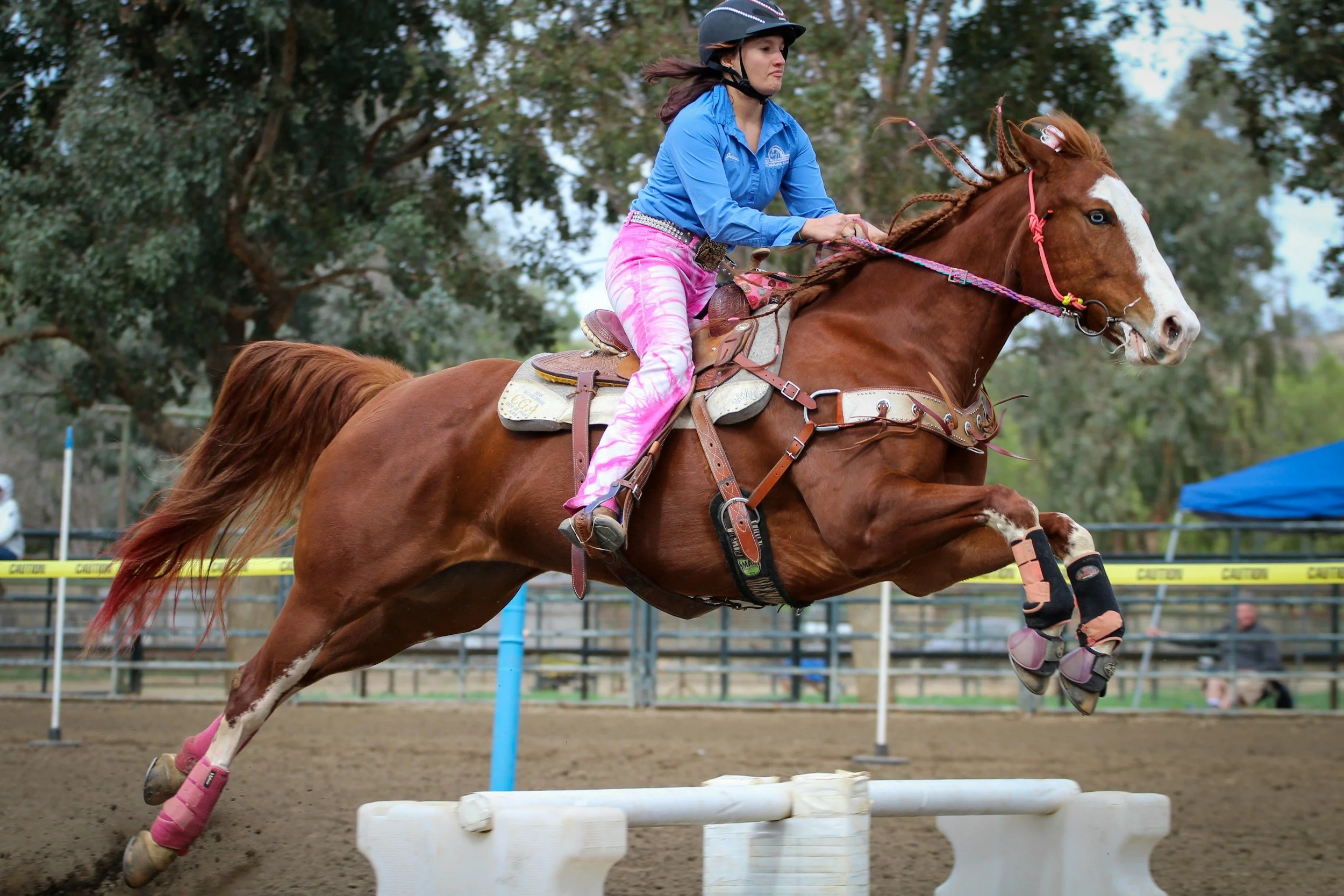
Many clients come into a weight-loss program already frustrated. They may have been working with a trainer, doing boot camps, Orange Theory, HIIT, running, spin classes, or heavy weight training, yet their weight and measurements barely changed.
That does not mean they are lazy. It often means their metabolism is not working the way they think it is.
When someone is insulin resistant, their body can become metabolically inflexible. In simple terms, they are stuck burning sugar and have a hard time accessing stored body fat for fuel.
During Phase 1 of Ideal Protein, the body is placed into a low-calorie ketogenic state. This helps lower insulin and allows the body to begin using stored fat. But if someone adds intense exercise on top of that, the body may demand more glucose than the program is designed to provide.
That can lead to problems such as:
Increased hunger
Fatigue
Dizziness
Weight-loss stalls
Muscle loss
Cravings
Feeling like they “need carbs” to keep exercising
This is why Phase 1 is not the ideal time to chase personal records, heavy lifting goals, or intense cardio performance.
The Goal: Train the Metabolism, Not Just Burn Calories
The old model says, “Exercise more to burn more calories.”
The new model says, “Train your metabolism to burn fat better.”
That is a very different approach.
In Phase 1, Ideal Protein uses nutrition to help make stored fat available. Then Zone 2 exercise helps the body become better at using that fat for fuel. Together, they support a process called fat adaptation.
Fat adaptation means the body gets better at burning fat during rest and low-to-moderate activity. This can improve:
Fat burning
Insulin sensitivity
Energy efficiency
Mitochondrial function
Endurance
Long-term weight maintenance
This is why walking can be more powerful than people realize.
What Is Zone 2 Exercise?
Zone 2 exercise is low-to-moderate intensity movement. It is usually around 60–70% of your estimated maximum heart rate.
A simple formula is:
220 − your age = estimated maximum heart rate
Then multiply that number by:
0.60 and 0.70
For example, if someone is 50 years old:
220 − 50 = 170
170 × 0.60 = 102
170 × 0.70 = 119
So their estimated Zone 2 range would be about 102–119 beats per minute.
But there is also a simpler method: the conversation test.
During Zone 2 exercise, you should be able to talk in sentences, but you should not be able to comfortably sing a song. If you cannot talk, you are probably going too hard.
Best Phase 1 Exercise: Walking
For most people, the best Phase 1 exercise is simple:
Walk 20 minutes, 3 times per week.
That may not sound flashy, but it works with the goal of the program. Walking is accessible, low stress, and highly compatible with fat adaptation.
Good Phase 1 options include:
Outdoor walking
Treadmill walking
Gentle incline walking
Stationary bike for people with knee, foot, or joint issues
The goal is not exhaustion. The goal is consistency.
Fat Adaptation Takes Time
The body may begin shifting into ketosis after the first several days as stored glycogen is depleted. However, becoming better at fat burning takes longer.
According to the training, the general timeline is:
| Timeframe | What Is Happening |
|---|---|
| Days 1–4 | The body begins emptying stored glycogen |
| 2–4 weeks | Fat-burning enzymes begin increasing |
| 3–6 weeks | Meaningful improvements in fat oxidation may develop |
This is why it is important not to rush back into intense workouts too soon. The body is rebuilding its metabolic machinery.
Watch for Warning Signs
If someone is exercising too hard during Phase 1, the body usually gives clues.
Watch for:
New or increased hunger
Dizziness or lightheadedness
Fatigue after exercise
Muscle loss on body composition testing
Weight-loss stalls
Strong cravings
Feeling the need to add extra food or carbs
These are signs to reduce intensity, not necessarily add more food.
Dizziness May Be a Sodium Issue
One important point from the guidelines is that dizziness during Phase 1 exercise is often not a blood sugar problem. It may be a sodium, hydration, or blood pressure issue.
When the body is in ketosis, it loses more sodium and water. Exercise, sweating, caffeine, and alcohol can increase that sodium loss even more.
The training mentioned that many people in Phase 1 may need around 3,000–5,000 mg of sodium per day, depending on the person, their health status, and their activity level.
For those exercising, sodium may need to be taken before activity to help prevent lightheadedness.
Important note: Anyone with high blood pressure, kidney disease, heart disease, fluid retention, or who takes blood pressure or diuretic medication should get individualized guidance before increasing sodium.
Where Does Strength Training Fit?
Strength training is still very important. It helps support:
Muscle mass
Bone density
Blood sugar control
Healthy aging
Long-term maintenance
But during Phase 1, the primary goal is fat adaptation and metabolic repair.
More structured resistance training and higher-intensity exercise fit better in Phase 2 and Phase 3, when calories and carbohydrates are being reintroduced and the body is better prepared to handle the demand.
In other words:
Phase 1: Train the metabolism.
Phase 2 and 3: Build strength and performance.
The Big Takeaway
The new Ideal Protein exercise guidelines are not saying exercise is bad. They are saying the right exercise at the right phase matters.
During Phase 1, the goal is not to outwork a broken metabolism. The goal is to rebuild metabolic flexibility from the inside out.
That is why walking, Zone 2 exercise, hydration, sodium balance, and patience matter so much.
You are not just losing weight.
You are training your body to become a better fat-burning machine.
Summary:
During Phase 1, we are not trying to burn the most calories possible. We are trying to teach your body how to access and burn stored fat again. That is why we want to keep exercise gentle and consistent. Walking in Zone 2 is ideal. You should be able to talk, but not sing. Once your metabolism is stronger and you move into later phases, we can bring back more strength training and higher-intensity exercise.
Call to Action
Are you doing Ideal Protein and wondering how much exercise is right for you? Let’s review your phase, energy, hunger, weight-loss progress, and body composition so we can match your exercise plan to your metabolism.
The goal is not harder exercise. The goal is smarter exercise.
Author Bio
Dr. Paul is a chiropractor and functional medicine practitioner with over 30 years of clinical experience helping patients improve metabolism, weight, inflammation, energy, and long-term wellness through practical lifestyle strategies, nutrition, and personalized health coaching.