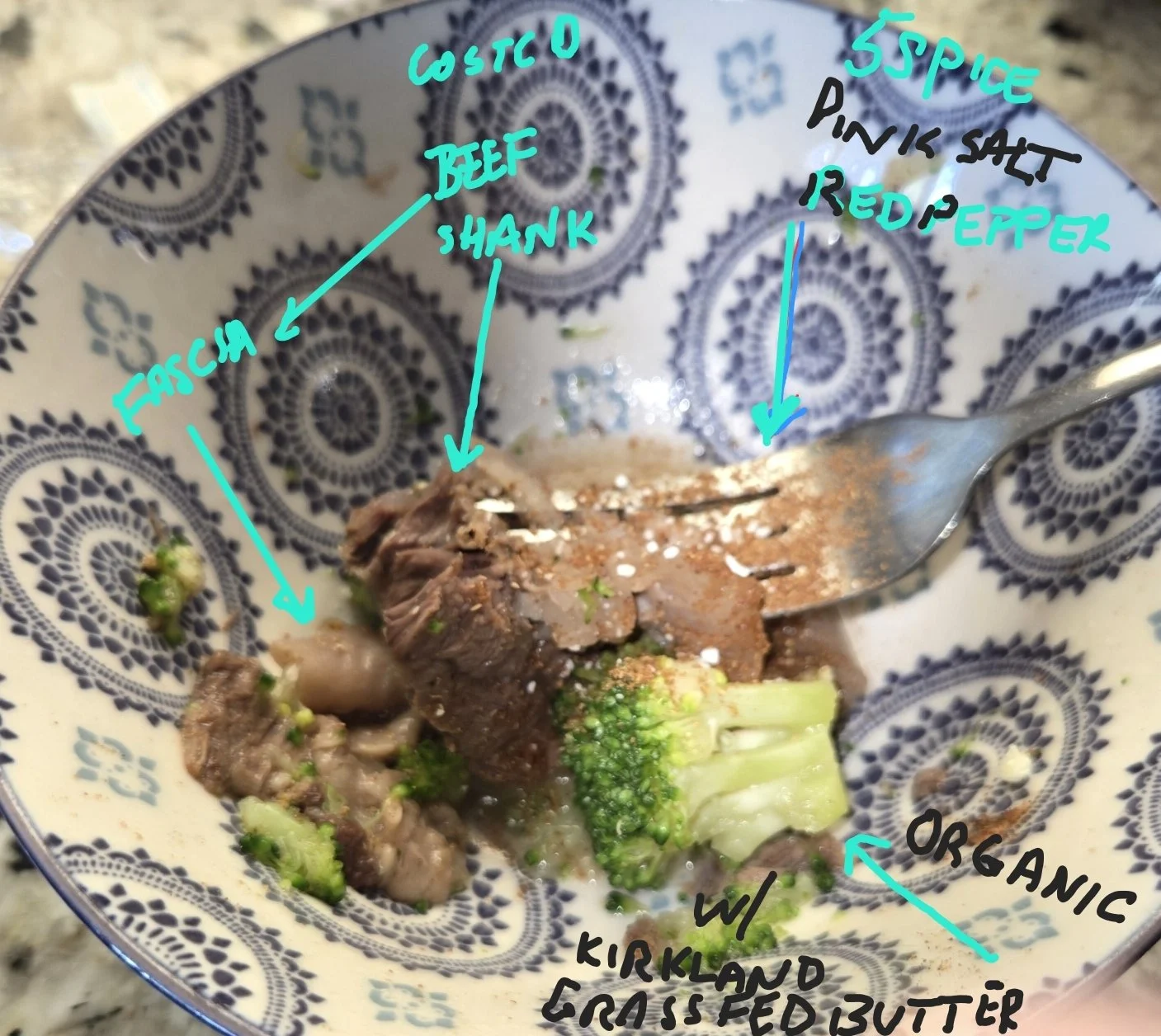
The Fight To End Water Fluoride.
/You can filter your water for cents per gallon, Don’t forget to order the Flouride/Arsenic filters as well.
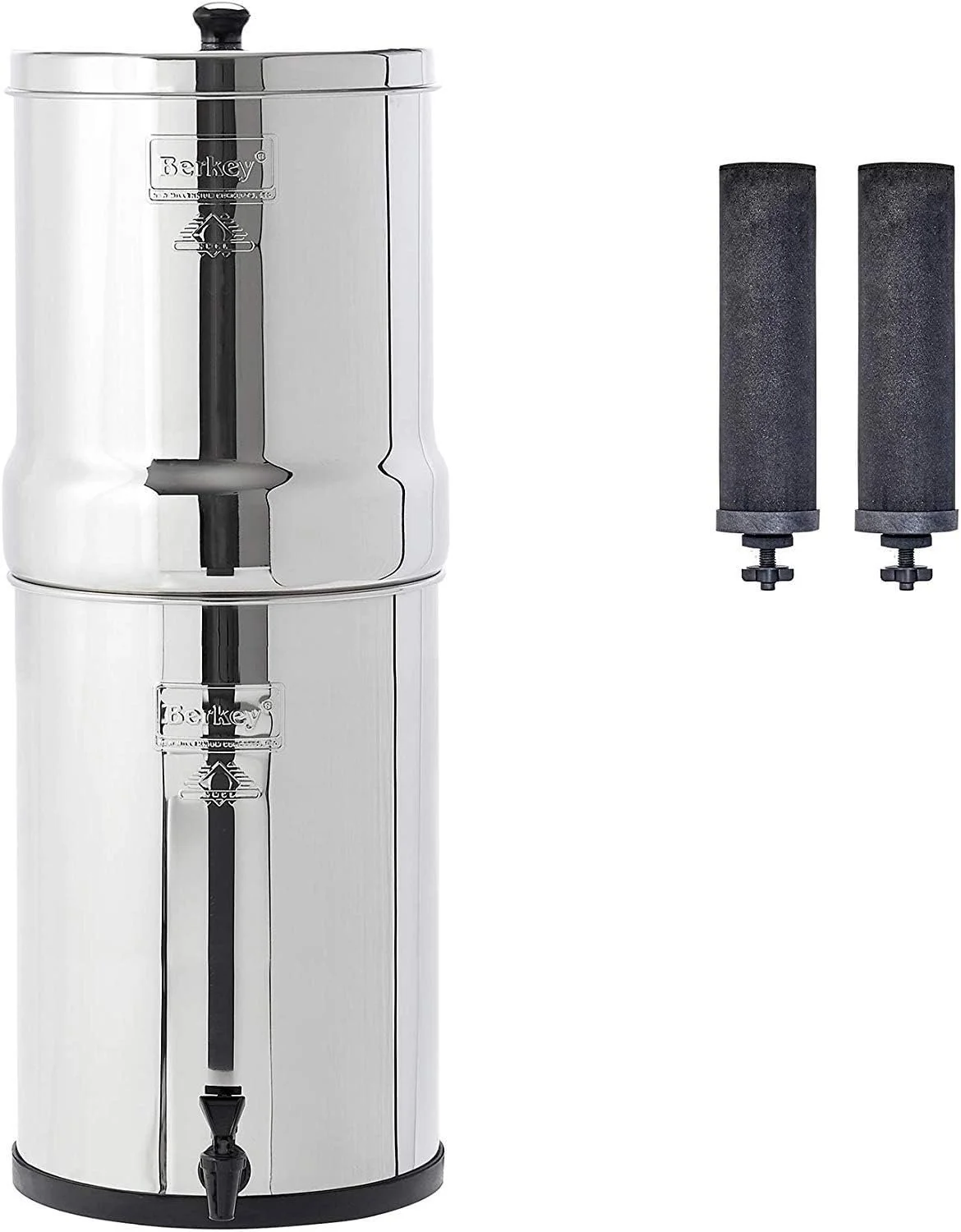
You can filter your water for cents per gallon, Don’t forget to order the Flouride/Arsenic filters as well.


Author: Dr. Paul Kwik D.C.
Chiropractor, Functional Health Doctor, EMF Remediation Specialist
📩 [Contact for personalized health plans]
Homeopathic remedies are ultra-diluted natural substances—from plants, minerals, or other sources—designed to stimulate the body’s own healing responses.
They’re not herbs, not vitamins, and not drugs.
They act more like signals that gently nudge the body back toward balance.
Think of it as restoring the body’s “software,” not forcing a biochemical change like a medication does.
Homeopathy is far more mainstream in Europe:
Many medical doctors prescribe homeopathic remedies alongside regular medication.
Homeopathy is integrated into hospitals and clinics.
Pediatricians, dentists, and even some emergency departments use specific remedies.
European pharmacists often recommend:
Arnica (injuries, bruising)
Oscillococcinum (flu-like symptoms)
Nux Vomica (digestive upset)
Ignatia (stress/grief)
Many European health systems reimburse homeopathic consultations or products.
Just like herbal medicine or vitamins in the U.S.
Homeopathy is technically FDA-recognized as a category of medicine under the Homeopathic Pharmacopoeia of the United States (HPUS).
But there’s a difference:
Most Americans see homeopathy on shelves but don’t know what it is.
It sits next to vitamins, cold remedies, and pain products.
It's considered over-the-counter and generally safe.
You’ll find homeopathics at:
CVS
Walgreens
Walmart
Target
Whole Foods
Amazon
Sprouts
Natural Grocers
Boiron (Arnicare, Oscillococcinum)
Hyland’s (kids’ remedies, teething tablets)
Similasan (eye drops, ear drops)
If CVS carries it, it means consumer demand is strong and safety is well-established.
At our clinic (Body Intelligent Center), we help get to the root using Causative Homeopathy that involves Body Reflex testing.
Because millions of Americans use them.
CVS only stocks products with strong market demand and safety records.
Homeopathics are:
Safe for kids, elderly, and sensitive individuals
Low-risk
Affordable
Easy to understand (“take pellets under the tongue”)
They’re placed next to conventional medications to give customers alternatives—especially for:
pain
bruising
insomnia
allergies
stress
cough/cold symptoms
digestive upset
Works without overstimulating or shutting down normal body processes.
Doesn’t interact with prescriptions.
Many parents prefer it because it avoids dyes, chemicals, or synthetic ingredients.
Helps with the person, not just the symptom.
Doctors prescribe it. Hospitals use it. Pharmacists recommend it.
CVS, Walgreens, and Walmart carry it because:
It works for millions
It fills gaps that drugs can’t
It’s safe across all ages

Author: Dr. Paul Kwik D.C.
Chiropractor, Functional Health Doctor, EMF Remediation Specialist
📩 [Contact for personalized health plans]
What if cholesterol, blood pressure, BMI, and even a heart disease diagnosis are outdated measurements?
Most standard lab tests are designed to detect disease after it develops or to assess risk factors like cholesterol, blood sugar, or blood pressure.
But what if you could measure your true physiological health—the underlying state of your body—before symptoms appear?
When I was 49yo (Chronological Age), I tested my Biological Age. It was 62yo! In my shock, I was motivated to do something about it! Here are the results of my journey. I reversed my aging by 15 years!


Since then I continue to research and apply using Testing/markers (Blood, Hair, Urine, Genes) to Reverse accelerated aging! This is where the MVX Plus blood test fits in.
MVX Plus is a groundbreaking blood test that measures key physiological factors that drive chronic disease and early death.
It’s the only test that:
✅ Predicts longevity better than age, cholesterol, blood pressure, VO₂ max, BMI, and even a heart disease diagnosis.
✅ Identifies problems before symptoms start, giving you the chance to take action early.
✅ Tracks your progress so you can see exactly how your lifestyle, diet, and supplements are working.
MVX — A composite score that reflects how resilient your metabolism is under stress, integrating blood sugar handling, inflammation, nutrient status, and mitochondrial efficiency
“Strong metabolism, Strong life”
IVX — Inflammation Vulnerability Index
GlycA – An advanced inflammation marker that detects both infections and hidden inflammation.
“See the Fire Before It Burns.”
Small HDL Particle Number – Your body’s detox “garbage trucks” that help remove inflammatory debris and toxins from the blood.
“Don’t Just Measure HDL — Count the Workers That Move It.”
Metabolic Malnutrition Index — A lower score means your body is doing MORE with LESS.
Citrate – A key indicator of mitochondrial function (your cellular energy engines).
“Fuel Your Cells, Fuel Your Life.”
Valine – An essential branched-chain amino acid (BCAA) important for muscle and metabolic health.
Leucine – A BCAA vital for muscle maintenance, repair, and protein metabolism.
Isoleucine – Another BCAA involved in energy and endurance.
“Recover Faster. Live Stronger.”
Most chronic illnesses—including heart disease, cancer, dementia, autoimmune conditions, and metabolic disorders—are rooted in three problems:
Inflammation & Infections
Toxins
Malnutrition
These lead to mitochondrial dysfunction, the cellular breakdown that accelerates aging and disease.
The MVX Plus test measures the combined effect of these root causes in your body—something no other single test can do.
MVX Plus gives you a score between 1 and 100.
Lower is better (for Metabolic Vulnerability Index only).
A score of 13 is the best recorded so far
A score of 78 is the highest (most vulnerable)
This number becomes your health baseline—a measurable starting point for your health journey.
Early detection of hidden health threats
Clear targets for lifestyle and nutritional improvement
Accountability—track your progress over time
Proof that your therapies and lifestyle changes are working
Personal empowerment—you’re no longer guessing about your health
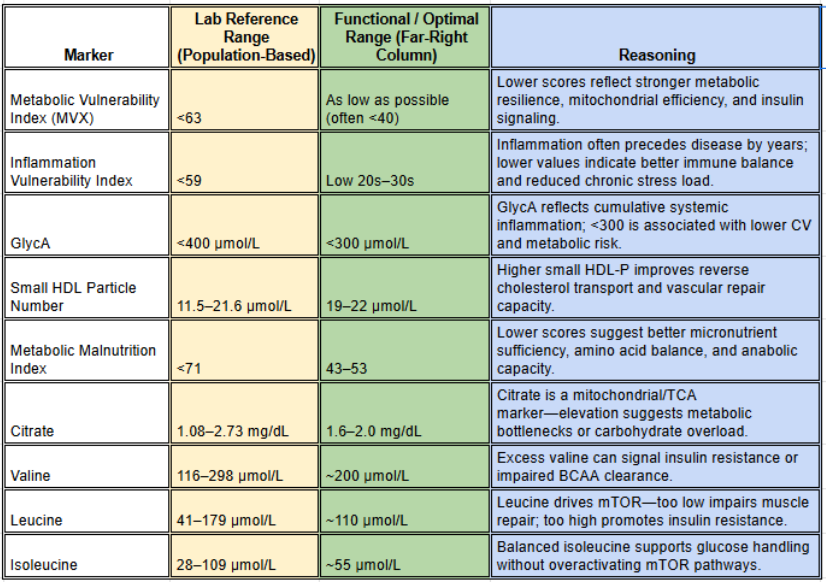
Standard Lab Ranges vs. Functional / Optimal Ranges
Standard reference intervals are derived from 95% of the general population—which includes:
Pre-diabetics
Chronically inflamed individuals
People with silent metabolic dysfunction
👉 “Normal” often means “common,” not optimal.
Markers like:
GlycA
Citrate
BCAAs
shift years before glucose, A1c, LDL, or CRP become abnormal.
Dr. Schmidt’s approach:
Detect metabolic stress early → intervene upstream → prevent pathology.
Many of these markers (citrate, BCAAs, MVX):
Reflect mitochondrial throughput
Signal whether fuel is being used or stalled
Higher-normal values often mean:
Incomplete oxidation
Redox imbalance
Insulin resistance at the cellular level
Especially with BCAAs:
Too low → muscle loss, poor repair
Too high → insulin resistance, mTOR overdrive
The “optimal” ranges reflect:
Efficient protein utilization
Lean mass preservation without metabolic stress
Conventional labs ask:
“Is this dangerous yet?”
Functional medicine asks:
“Is this moving in the wrong direction?”
The far-right column reflects:
Longevity physiology
Athletic recovery physiology
Ancestral metabolic patterns
Lab reference ranges detect disease.
Functional ranges preserve health.
Dr. Darren Schmidt’s tighter ranges aim to:
Reduce metabolic noise
Optimize mitochondrial efficiency
Prevent insulin resistance
Support long-term vitality rather than crisis management
Patients who’ve taken the MVX Plus test have seen:
Major reductions in inflammation after detox and infection treatment
Improvements in protein metabolism after targeted nutrition plans
Better mitochondrial function and energy levels after correcting deficiencies
Confirmed proof of healing—even before they “felt” better
This test is for anyone who:
Wants to prevent chronic disease
Has mystery symptoms doctors can’t explain
Is already working on their health and wants to measure results
Wants to extend healthy years and improve quality of life
The MVX Plus test is a simple blood draw and can be ordered through our clinic.
Results are usually ready within 1–2 weeks and include a detailed interpretation plus a personalized action plan.
Don’t wait until symptoms appear. Take control of your health now.
📞 Call our office at [714.798.3363]
🌐 Or contact us here (if you’re a first time client)
Let’s measure where your health really stands—and create a plan to keep you at your best for years to come.
Author Bio:
Dr. Paul Kwik, DC, is a functional medicine practitioner dedicated to helping patients reverse chronic illness by addressing the root causes—nutrition, detoxification, and restoring cellular health. Dr. Kwik works with patients nationwide to personalize their healing journey.


Author: Dr. Paul Kwik D.C.
Chiropractor, Functional Health Doctor, EMF Remediation Specialist
📩 [Contact for personalized health plans]
Hello, I’m Dr. Paul. After over 30 years in practice, one thing I’ve learned is that probiotics are just as important as food. In fact, there are more probiotic organisms in your body than actual human cells. They form an entire community that lives in your gut, sinuses, and even your mouth — and they are essential for good health.
But here’s the catch: you need variety.
Most people think they can just buy one probiotic and stick with it. But just like eating the same food every day isn’t healthy, relying on only one strain of probiotic can be limiting — or even harmful. Each probiotic strain serves a unique purpose. Some are great for the immune system, others help with digestion, bloating, or even oral and vaginal health. Here are just a few types and their unique benefits:
Bacillus – Heat-stable; supports immune health and inflammation control.
Bifidobacterium – Found in breastfed infants; may help adults who missed out early in life.
Lactobacillus – Supports digestion, reduces bloating, and enhances nutrient absorption.
Saccharomyces – A healthy yeast; helps with gut barrier and detox.
Streptococcus thermophilus – Found in yogurt; helps digest lactose and supports gut health.
Some strains are even patented for things like weight regulation, stress reduction, and antioxidant protection.
In my clinic, I use muscle testing and skin testing to find out what strain your body currently needs. I’ve found that what you needed last month may not be what you need today. And yes — sometimes adults in their 60s test for strains found in infant probiotics!
A lot of people think higher CFUs (colony forming units) = better. But that’s not always true. I often recommend lower potencies (1–5 billion CFUs) for most people because they're safer and easier on the system. The only time I might recommend a high-potency probiotic is after a round of antibiotics. Antibiotics can wipe out your gut flora — the good and the bad — so targeted restoration is crucial.
💡 Side Note: Just like you can overdo probiotics, you can also overdo healthy foods. Too many raw vegetables can introduce anti-nutrients. Prepare and rotate your foods wisely.
Yes! Some probiotics are heat-stable, like certain Bacillus strains. But others must be refrigerated or they’ll lose potency — and you'll be swallowing something that's no longer effective.
I haven’t been sick in years, and even when my family catches something, I often don’t. That’s not luck — it’s because I’ve supported my immune system with the right tools, including targeted probiotics.
Antibiotics have their place — they’ve saved lives — but use them only when absolutely necessary. There are ways to stay healthy and avoid the hospital. We use blood tests, urine analysis, and other methods to keep our patients proactive, not reactive.
---
Want to find out which probiotic is best for you right now?
Visit our clinic for testing or ask about our 9 unique probiotic-based supplements. Your body will thank you.
Address: 101 S. Kraemer Blvd. #111, Placentia, CA 92870
Contact us here
Skin or muscle testing for your needs comes free when probiotics are purchased in the clinic, our brand is one of the most respected and used in the professional community and we sell it here at 30 to 35% off compared to Amazon!
Stay healthy, stay informed.
– Dr. Paul

Author: Dr. Paul Kwik D.C.
Chiropractor, Functional Health Doctor, EMF Remediation Specialist
📩 [Contact for personalized health plans]
If you’ve ever traveled to Italy and enjoyed a warm slice of bread or a bowl of pasta—only to realize you didn’t bloat, crash, or ache the way you do after eating bread in the U.S.—you’re not alone. Many people report that bread in Italy (and in other parts of Europe) just feels different. But is it a myth, or is there real science behind this?
Let’s explore why bread abroad often causes fewer health issues, what’s different about their flour, and how you can make better choices here at home.
Heritage Grains & Soft Wheat Varieties
In Italy, bread is often made with Tipo 0 or Tipo 00 flour, which comes from softer, lower-gluten wheat varieties like ancient or heirloom grains (e.g., farro, einkorn, emmer). These grains haven’t been hybridized for mass production and are generally easier to digest.
Fewer Pesticides
European nations, including Italy, have banned many pesticides and herbicides—especially glyphosate. In contrast, U.S. wheat is often sprayed with glyphosate just before harvest (a practice called "desiccation"), which may contribute to gut issues and inflammation.
Slow Fermentation Practices
Traditional European breads, like Italian sourdoughs and French baguettes, use long fermentation processes. These break down gluten and phytic acid (an antinutrient), making the bread more digestible and nutrient-available.
Germany
Known for Vollkornbrot (whole grain rye bread), which is high in fiber and fermented. Rye flour is lower in gluten and often easier on the gut.
France
French law requires minimal ingredients in baguettes—typically just flour, water, yeast, and salt—no preservatives or additives.
Middle East
Traditional flatbreads like pita and lavash are often made with stone-ground grains and cooked fresh, reducing the need for preservatives.
Many commercial breads in the U.S. are:
Made with high-gluten hybrid wheat
Treated with bleaching agents and enrichment additives
Preserved with chemical stabilizers
Fermented quickly or not at all
Sprayed with glyphosate
The result? Increased reports of bloating, brain fog, fatigue, joint pain, and digestive discomfort—even among those without celiac disease.
Buy Organic and Glyphosate-Free Flours
Look for brands like King Arthur Organic, One Degree, Jovial Einkorn, or Bob’s Red Mill Organic to avoid glyphosate and synthetic additives.
Choose Ancient or Heirloom Grains
Try baking or buying bread made from:
Einkorn
Spelt
Emmer
Khorasan (Kamut)
Opt for Sourdough
Genuine sourdough (especially those fermented over 24 hours) breaks down gluten and antinutrients. Look for local artisan bakeries or make your own starter.
Consider Sprouted Bread Like Ezekiel Bread
Ezekiel 4:9 bread, made by Food for Life, is crafted from sprouted whole grains and legumes—such as wheat, barley, millet, lentils, soybeans, and spelt. Sprouting boosts enzyme activity, reduces phytic acid, and enhances nutrient absorption.
While Ezekiel bread isn't gluten-free, many people find it easier to digest than standard commercial whole wheat bread. It’s also free from preservatives, sugar, and artificial ingredients—making it a nutrient-dense, freezer-stable option for those seeking cleaner bread.
Bake at Home
With just flour, water, salt, and natural leavening, you can control what goes into your bread. A Dutch oven and some patience can yield a nourishing loaf.
Use Stone-Ground or Sprouted Flours
These retain more nutrients and fiber, and are easier on blood sugar and digestion.
Healthy bread isn’t a thing of the past or a European luxury—it’s entirely possible here with the right ingredients and practices. By switching to organic, heirloom, and fermented options, you can bring the wisdom of old-world breadmaking into your own kitchen.
Your gut will thank you. So will your energy, your brain, and your blood sugar.

Author: Dr. Paul Kwik D.C.
Chiropractor, Functional Health Doctor, EMF Remediation Specialist
📩 [Contact for personalized health plans]
Millions of people suffer from acid reflux, often described as a burning sensation in the chest, sour taste in the mouth, or bloating after meals. While over-the-counter antacids and proton pump inhibitors (PPIs) are commonly used, they may not address the root cause—and in some cases, they might even make things worse over time.
One natural compound that’s gaining attention for supporting healthy digestion is Betaine HCl. But what exactly is it, and how can it help with acid reflux?
Betaine HCl (hydrochloride) is a compound that mimics the natural hydrochloric acid (HCl) found in the stomach. The Bet in Betaine is there because its from Beets. It’s different from betaine anhydrous (used for homocysteine regulation), and is specifically formulated to support stomach acid levels and digestive enzyme activity.
Surprisingly, low stomach acid—not high—is often the real issue behind acid reflux, especially in those over 40 or under chronic stress.
When stomach acid is too low:
Food sits in the stomach longer
It ferments and produces gas
Pressure builds up, pushing acid up into the esophagus
This creates reflux symptoms, even though the stomach acid itself is insufficient to break down food properly.
A hiatal hernia occurs when part of the stomach pushes up through the diaphragm into the chest cavity. This anatomical shift can weaken or displace the lower esophageal sphincter (LES)—the valve that normally keeps stomach contents from flowing backward.
When the LES is compromised:
Even normal stomach acid levels can trigger reflux
Symptoms may worsen after meals, bending over, or lying down
Betaine HCl may still help digestion, but mechanical pressure must also be addressed
Feel free to ask Dr. Paul about how to address this with his technique
Natural approaches such as diaphragmatic breathing, chiropractic or osteopathic adjustments, and postural awareness may support better alignment and reduce pressure on the LES in mild cases. However, a confirmed hiatal hernia may require medical evaluation.

If you're eating a lot of ultra-processed, fried, or sugary foods, you're adding fuel to the reflux fire. Here's why junk food makes it worse:
High in unhealthy fats: Fried and greasy foods delay stomach emptying and relax the LES.
Low in nutrients: Processed foods lack the raw materials needed for healthy stomach acid production, including zinc, B vitamins, and amino acids.
Creates digestive imbalance: Additives and preservatives inflame the gut and confuse enzyme signals.
Feeds microbial overgrowth: Sugar-heavy diets promote fermentation and gas, increasing internal pressure.
You may consider Betaine HCl if you experience:
Bloating or gas after meals
Fullness even after small meals
Reflux without improvement from antacids
Chronic burping or bad breath
Nutrient deficiencies (e.g., B12, iron)
Note: Betaine HCl is generally best used under the guidance of a healthcare professional, especially if you're taking anti-inflammatory medications or have a history of ulcers or hernias.

Author: Dr. Paul Kwik D.C.
Chiropractor, Functional Health Doctor, EMF Remediation Specialist
📩 [Contact for personalized health plans]
When someone is newly diagnosed with high blood sugar or diabetes and begins medication, it’s not uncommon for them to notice changes in their appetite. One common scenario is a sudden loss of appetite after starting Jardiance and metformin—two frequently prescribed medications. So, what causes this, and should you be concerned?
Let’s break it down.
Metformin is often the first-line medication for type 2 diabetes. It’s highly effective, but one of the most well-known side effects is gastrointestinal distress. This can include:
Nausea
Bloating or abdominal discomfort
Diarrhea
A metallic taste in the mouth
Loss of appetite
These effects are most pronounced when first starting the medication or when the dose increases. For some people, the appetite suppression continues even after other side effects subside.
💡 Tip: Extended-release versions of metformin (like Glucophage XR) may reduce these side effects.
Jardiance (empagliflozin) helps lower blood sugar by removing excess glucose through urine. While it’s not primarily known for appetite suppression, it can indirectly reduce hunger due to:
Mild dehydration (from increased urination)
Weight loss effects
Altered metabolism and blood sugar dynamics
Some users report feeling full faster or having reduced interest in food.
If a person was hospitalized for high blood sugar, they may still be recovering physically and emotionally, which can blunt appetite. Factors that contribute include:
Electrolyte imbalances
Fatigue
Stress or trauma
Changes in routine or digestion
Even after discharge, the body may need time to fully stabilize.
Though rare, especially with Jardiance, some people can develop a serious condition called euglycemic diabetic ketoacidosis (DKA). This condition can occur even when blood sugar levels aren’t extremely high.
🚨 Signs to watch for:
Persistent nausea or vomiting
Abdominal pain
Fruity breath odor
Fatigue or confusion
Loss of appetite
If any of these are present, seek medical attention immediately.

Author: Dr. Paul Kwik D.C.
Chiropractor, Functional Health Doctor, EMF Remediation Specialist
📩 [Contact for personalized health plans]
Kidney and bladder stones can be incredibly painful, and conventional treatments—like lithotripsy, surgery, or medications—are often necessary. But many health-conscious individuals are now exploring natural and complementary therapies, including PEMF (Pulsed Electromagnetic Field) therapy and magnetized water. Could this combination support urinary health and reduce the risk of stone formation?
Let’s explore the emerging research and practical applications.
Kidney stones form in the kidneys due to mineral buildup—often calcium oxalate or uric acid—and can cause excruciating back or flank pain.
Bladder stones develop lower in the urinary tract, often due to incomplete bladder emptying, chronic infections, or foreign materials.

this post surgical knee infection healed in 4 hours of treatment on the xl pro pemf above
While the standard approach focuses on hydration, dietary changes, and sometimes surgical removal, innovative tools like PEMF therapy and energized water are gaining attention.
PEMF therapy uses pulsed electromagnetic fields to:
Stimulate cellular repair
Improve blood flow
Reduce inflammation
Support detoxification
It's FDA-approved for some orthopedic conditions, and researchers are exploring broader uses—including in urology.
Studies show magnetized water—water exposed to magnetic fields—may:

“I had painful kidney stones, the day I started with Dr. Paul’s PEMF charged water, my pain dissipated significantly!”
➡️ Animal studies also suggest that magnetized water reduces crystal deposits in kidneys, potentially lowering stone risk.
While PEMF doesn’t dissolve stones, it does support:
Pain relief during stone movement
Muscle relaxation, aiding bladder emptying
Inflammation reduction in the urinary tract
Healing after stone removal procedures
It may also enhance circulation to the kidneys and bladder, supporting detox and repair.
Though no large-scale studies exist on the combination, users and clinics report benefits when using PEMF therapy to energize water before drinking it throughout the day.
Place a glass or metal-free water container on your PEMF mat or coil.
Run a low-frequency program (5–10 Hz) for 5–15 minutes.
Drink within a few hours for best results.
⚠️ Always use food-safe, non-metal containers, and consult your practitioner before combining therapies.

PEMF therapy and magnetized water are not “miracle cures” for kidney or bladder stones—but they may offer gentle, supportive benefits when used alongside a holistic strategy.
Whether you're recovering from a recent stone event or aiming to prevent recurrence, exploring how energy medicine and hydration work together could be a smart, body-friendly addition to your protocol.
Dr. Paul Kwik is a Functional medicine chiropractor (not a medical doctor) specializing in cellular detox, chronic pain, and whole-body vitality through nutrition.
Schedule a personalized consultation to explore how PEM therapy and targeted hydration can support your kidney health.
👉

Author: Dr. Paul Kwik D.C.
Chiropractor, Functional Health Doctor, EMF Remediation Specialist
📩 [Contact for personalized health plans]
In the realm of functional and integrative medicine, understanding the intricacies of gut health is paramount. The GI-MAP (Gastrointestinal Microbial Assay Plus) test by Diagnostic Solutions Laboratory stands out as a comprehensive tool designed to provide deep insights into the gastrointestinal microbiome. Utilizing advanced quantitative PCR (qPCR) technology, the GI-MAP offers clinicians and patients a detailed analysis of gut pathogens, beneficial microbes, and overall intestinal health.
The GI-MAP is a DNA-based stool analysis that employs qPCR to detect and quantify a wide range of microorganisms in the gut. Unlike traditional culture methods, qPCR allows for the precise measurement of microbial DNA, offering high sensitivity and specificity in identifying pathogens, commensal bacteria, fungi, viruses, and parasites. This level of detail aids in diagnosing conditions such as irritable bowel syndrome (IBS), inflammatory bowel disease (IBD), and small intestinal bacterial overgrowth (SIBO) .
The GI-MAP test identifies a broad spectrum of gastrointestinal pathogens, including:
Bacterial pathogens (e.g., Clostridium difficile, Salmonella)
Viral pathogens (e.g., Norovirus)
Parasitic pathogens (e.g., Giardia lamblia, Entamoeba histolytica)
Fungi/Yeast (e.g., Candida species)
By quantifying these organisms, clinicians can determine the clinical relevance of each pathogen, facilitating targeted treatment strategies .
Beyond pathogen detection, the GI-MAP evaluates markers indicative of digestive efficiency, such as:
Pancreatic elastase-1: Reflects pancreatic enzyme output
Steatocrit: Indicates fat malabsorption
β-glucuronidase: Associated with detoxification processes
These markers help identify issues like enzyme insufficiency or malabsorption, which can contribute to gastrointestinal symptoms .
The test measures immune markers, including:
Secretory IgA (sIgA): The first line of immune defense in the gut
Anti-gliadin IgA: Associated with gluten sensitivity
Eosinophil activation protein: Linked to allergic responses.
Evaluating these markers provides insights into mucosal immunity and potential food sensitivities .
Inflammatory markers assessed include:c
Calprotectin: A marker for neutrophil-driven inflammation
Monitoring these markers assists in identifying inflammatory processes and compromised gut barrier function .
The quantitative data from the GI-MAP allows for the development of individualized treatment protocols. By understanding the specific microbial imbalances and functional impairments, practitioners can tailor interventions, including dietary modifications, probiotics, antimicrobials, and lifestyle changes .
The GI-MAP test is beneficial for individuals experiencing:
Chronic gastrointestinal symptoms (e.g., bloating, diarrhea, constipation)
Autoimmune conditions (e.g., Hashimoto's thyroiditis, rheumatoid arthritis)
Skin disorders (e.g., eczema, psoriasis)
Mood disorders (e.g., anxiety, depression)
Metabolic issues (e.g., obesity, insulin resistance)
By uncovering underlying gut imbalances, the GI-MAP aids in addressing systemic health concerns linked to the gastrointestinal tract .
The GI-MAP test by Diagnostic Solutions Laboratory offers a comprehensive and precise analysis of gut health, enabling clinicians to identify and address the root causes of various health issues. Its advanced qPCR technology provides accurate, quantitative data, facilitating personalized treatment strategies aimed at restoring gastrointestinal balance and overall well-being

Author: Dr. Paul Kwik D.C.
Chiropractor, Functional Health Doctor, EMF Remediation Specialist
📩 [Contact for personalized health plans]
Hair loss can be distressing, but it’s often more than just a cosmetic issue—it’s a signal from your body that something deeper is going on. Instead of masking the symptom with temporary fixes, the best long-term strategy is to uncover and correct the root causes.
Functional lab testing offers a powerful roadmap to understanding why your hair may be thinning or falling out. Let’s explore the most insightful lab panels and what they can reveal, along with natural strategies to restore healthy hair growth from the inside out.
Tests: TSH, Free T3, Free T4, Reverse T3, TPO Antibodies, Thyroglobulin Antibodies
Why it matters: Low thyroid function or autoimmune thyroid disease (like Hashimoto’s) is a common but overlooked cause of diffuse hair thinning, especially in women.
Natural Support:
Selenium, zinc, ashwagandha (with medical supervision), and gluten-free diet (for autoimmune triggers)
Talk to Dr. Paul about all the following supplements to discuss tailoring based on the lab testing.
Tests: Glucose, BUN, Creatinine, Electrolytes, Liver Enzymes, CBC with Platelet Count
Why it matters: These tests evaluate liver and kidney function, blood sugar control, and anemia—all of which can contribute to poor hair health.
Natural Support:
Milk thistle for liver support, iron-rich foods (if anemic), and B-complex vitamins
Tests: Total Cholesterol, HDL, LDL, Triglycerides
Why it matters: Cholesterol is essential for hormone production, and imbalances may reflect poor fat absorption or inflammation.
Natural Support:
Omega-3 fatty acids, flaxseed, and reducing processed carbs
Tests: Vitamin D, Serum Iron, Ferritin, Phosphorus, Magnesium (Serum + RBC)
Why it matters: Deficiencies in iron and vitamin D are among the top nutritional causes of hair shedding. Magnesium is key for cellular health and stress resilience.
Natural Support:
Fermented cod liver oil, leafy greens, pumpkin seeds, Epsom salt baths
Tests: ESR, CRP, Creatine Kinase, LDH, Uric Acid
Why it matters: Chronic inflammation and oxidative stress damage hair follicles and slow regrowth.
Natural Support:
Curcumin, resveratrol, green tea extract, and an anti-inflammatory diet (Mediterranean-style)
Tests: Hemoglobin A1C (for blood sugar), ABO/Rh Factor
Why it matters: Blood sugar imbalance (prediabetes) and genetic blood traits can affect circulation and nutrient delivery to the scalp.
Natural Support:
Chromium, berberine, cinnamon, and intermittent fasting
Tests: Hair Tissue Mineral Analysis (HTMA)
Why it matters: Heavy metals like mercury, lead, and aluminum can disrupt thyroid and adrenal function, while mineral imbalances (zinc, copper, selenium) directly affect hair texture and growth.
Natural Support:
Cilantro, chlorella, bentonite clay, and remineralizing with trace mineral drops or fulvic acid. To do Dr. Paul about DMSA as a natural chelator stronger than the above and may be necessary in addition to the hair test
Why it matters: This functional urine test identifies gut dysbiosis, mold exposure, mitochondrial dysfunction, and nutrient deficiencies—key hidden triggers for hair loss.
Natural Support:
Mitochondrial support with CoQ10, alpha-lipoic acid, B-vitamins, and probiotics
Once you've gathered your lab results, you can work with a functional medicine provider to create a tailored natural approach. Here are key foundations:
Nourish: Eat a nutrient-dense diet with sufficient protein, healthy fats, and minerals.
Detox: Support liver and gut function to eliminate toxins and heavy metals.
Balance: Address hormone and thyroid imbalances naturally, without suppressing symptoms.
Calm: Manage stress through adaptogens, breathwork, and proper sleep hygiene.
Hair loss isn’t just about what’s happening on your head—it’s a reflection of what’s happening inside your body. By using functional testing to identify imbalances and natural tools to correct them, you can revive your hair’s vitality and support overall wellness.
“My face was having horrible red eczema all over and I lost all my hair. Dr. Paul helped clear my face and restore all my hair! Thank you Dr. Paul”
If you're interested in a personalized root cause evaluation or testing package, reach out to our clinic for guidance and functional test ordering.

Author: Dr. Paul Kwik D.C.
Chiropractor, Functional Health Doctor, EMF Remediation Specialist
📩 [Contact for personalized health plans]
“Does it Matter the name of the disease when you are Healthy!”
It’s so wonderful when a baby comes forth from being healthy! That is our goal. Health!
Infertility and fibroids are among the most common reproductive health challenges affecting women today. While conventional treatments like surgery or hormone therapy remain the standard, an increasing number of women are turning to natural, non-invasive options like Pulsed Electromagnetic Field (PEMF) therapy for support. Could this gentle energy therapy be the breakthrough for women seeking relief and restored fertility?
PEMF (Pulsed Electromagnetic Field) therapy uses low-frequency electromagnetic waves to stimulate cellular repair, reduce inflammation, and enhance circulation. Originally developed for orthopedic healing, it has expanded into areas like chronic pain, neurological disorders, and now, reproductive health.
Uterine fibroids are non-cancerous tumors of the uterus affecting up to 70% of women by age 50.
Symptoms include heavy periods, pelvic pain, and fertility issues.
Infertility can result from various causes—hormonal imbalances, inflammation, poor uterine blood flow, or even unknown reasons in "unexplained infertility."
Fibroids may:
Alter the shape of the uterus
Block the fallopian tubes
Affect embryo implantation
PEMF stimulates microcirculation, particularly to pelvic organs. This may enhance nutrient delivery to the uterus and ovaries—supporting healthier tissue and egg quality.
Studies in animal models and limited human data suggest PEMF may help reduce inflammation and regulate abnormal cell growth, which could slow fibroid growth or even shrink them over time.
Some users report improved menstrual cycles and hormonal balance after consistent PEMF therapy—possibly through improved hypothalamic-pituitary-ovarian axis communication.
PEMF improves lymphatic flow, which may help clear excess estrogen—a driver of fibroid growth and hormonal imbalance.
A 2019 study in the Journal of Bioelectric Medicine found that PEMF reduced fibroid volume in rats by 32% after 30 days of treatment.
Anecdotal reports suggest clinical benefits after 8–12 weeks of use in humans, though more controlled trials are needed.
A 2015 clinical study showed increased pregnancy rates in women undergoing IVF when using PEMF therapy alongside conventional treatment.
Some functional medicine clinics report improved ovarian reserve and FSH levels after 2–3 months of PEMF use.
Castor oil packs over the uterus for detox support
DIM or calcium D-glucarate to metabolize estrogen. Talk to Dr. Paul before starting
Dr. Pauls Acu technique for ovulatory function
Whole food supplements like bee pollen, spirulina, and omega-3s
Infrared therapy or red light for circulation enhancement
Many women have reported:
Shorter, lighter menstrual cycles
Decreased pelvic pressure
Improved cervical mucus and ovulation tracking
Pregnancy after months or years of infertility
PEMF therapy offers a safe, non-invasive, and potentially powerful support tool for women dealing with fibroids and infertility. While it may not be a cure-all, it represents a hopeful and empowering addition to holistic reproductive care.
Our clinic offers tailored PEMF therapy programs for fertility and women’s health. Contact us to book a consultation or learn more about in-home PEMF options.
Journal of Bioelectric Medicine, 2019
ClinicalTrials.gov – Ongoing trials on PEMF and fertility
Ahn, S., et al. (2015). Effects of PEMF on IVF outcomes. Fertility and Sterility Journal
National Institutes of Health (NIH) PEMF reports

Author: Dr. Paul Kwik D.C.
Chiropractor, Functional Health Doctor, EMF Remediation Specialist
📩 [Contact for personalized health plans]
If you've had your gallbladder removed (a cholecystectomy), you're not alone—over 600,000 Americans undergo this surgery each year. While it often resolves acute pain or gallstones, many patients are left wondering: What now?
The gallbladder plays a critical role in fat digestion and detoxification. Without it, bile trickles directly from the liver into the intestine, often at suboptimal times. This can lead to digestive discomfort, nutrient deficiencies, and even long-term gut dysfunction.
Thankfully, there are effective natural strategies to support your digestion and overall health after gallbladder removal.
You may experience:
Bloating or indigestion after fatty meals
Loose stools or urgency
Fat-soluble vitamin deficiencies (A, D, E, K)
Nausea or reflux
Fatigue (due to poor detoxification or malabsorption)

Without the gallbladder, bile flow is often weak or poorly timed.
Key Supplements:
Ox bile (bovine-derived)
Digestive bitters (gentian, dandelion)
Phosphatidylcholine
Taurine
Top Brands: Designs for Health & Biotics
Pair ox bile with lipase enzymes to improve fat breakdown and absorption.
Digestive Enzymes to Consider:
Pancreatin (lipase, amylase, protease)
Lipase blend
HCl (hydrochloric acid), if tolerated
Use emulsified or micellized forms of:
Vitamin A
Vitamin D
Vitamin E
Vitamin K
Bonus Tip: Take these with meals and ox bile for best absorption.
Gallbladder removal may alter your gut microbiome and intestinal lining.
Key Interventions:
Probiotics
L-glutamine
Butyrate
Slippery elm & aloe vera
Large fatty meals can overwhelm bile capacity. Aim for:
Moderate fats from clean sources (S.M.A.S.H. fish, avocado, coconut oil)
Adequate fiber to bind excess bile acids (chia, flax, steamed veggies)
Avoid hydrogenated oils, fried food, and processed fat
Avoid Seed oils like Canola, Sunflower, Safflower, etc

Post-surgery patients may struggle with fasting due to disrupted bile flow. Start slow, and always eat nutrient-dense foods when breaking your fast.
While the gallbladder and pancreas are distinct organs, they work as a team in fat digestion. When the gallbladder is removed, this delicate balance can be disrupted—leading to increased stress on the pancreas.
Increased Pancreatic Enzyme Load: A study in the World Journal of Gastroenterology (2014) found that post-cholecystectomy patients exhibit increased pancreatic secretory activity, especially after fatty meals, as the pancreas compensates for the lack of controlled bile release.
Higher Incidence of Pancreatitis: A Journal of Hepato-Biliary-Pancreatic Sciences review noted a higher risk of post-operative pancreatitis in some patients, particularly if there's biliary sludge or microlithiasis that continues post-removal.
Pancreatic Enzyme Insufficiency: Chronic symptoms such as bloating, fatty stools, and malabsorption in cholecystectomy patients may point to secondary exocrine pancreatic insufficiency.
If the pancreas is overworked, it may eventually produce insufficient digestive enzymes, leading to:
Poor fat and protein breakdown
Nutrient malabsorption (e.g., B12, fat-soluble vitamins)
Increased risk of intestinal inflammation or SIBO

Pancreatic enzyme replacement (lipase, amylase, protease)
Nutrient cofactors: zinc, magnesium, vitamin C
Herbal support: milk thistle, dandelion, artichoke
Anti-inflammatory diet: avoid processed foods and oxidized fats
Gallbladder removal may be behind you, but proactive care is essential moving forward. With targeted testing, nutritional support, and digestive strategies, you can thrive without a gallbladder.
Take action now—test, support, and restore your digestive health. You deserve to feel good in your body again.
Schedule a consultation to receive your personalized post-cholecystectomy wellness plan.
📞

Author: Dr. Paul Kwik D.C.
Chiropractor, Functional Health Doctor, EMF Remediation Specialist
📩 [Contact for personalized health plans]
A Herxheimer reaction (also called a Herx) is a short-term detox reaction that occurs when your body is overwhelmed by the toxins released from dying microbes—especially bacteria, fungi, or parasites—during treatment.
While PEMF doesn’t treat hives directly, it may help by:
MechanismPotential Benefit for Hives✅ Reducing inflamationMay calm histamine-driven skin inflammation.✅ Improving microcirculationCould promote faster skin recovery.✅ Balancing immune responseMay modulate overactive immune activity in chronic cases.✅ Lowering stress responseMay benefit stress-induced or neurogenic hives.
PEMF is not a substitute for antihistamines, epinephrine (in severe allergic reactions), or identifying/removing triggers.
For acute allergic hives, PEMF is not fast-acting enough to be helpful.
In chronic idiopathic hives, PEMF might offer more value as part of a whole-body inflammation and immune-regulating protocol.



Author: Dr. Paul Kwik D.C.
Chiropractor, Functional Health Doctor, EMF Remediation Specialist
📩 [Contact for personalized health plans]
“This is a groundbreaking, one-of-a-kind study conducted by EMF Solutions—unlike anything any other company has produced.”
We live in a world surrounded by wireless signals: Wi-Fi, Bluetooth, and cell towers. While these technologies keep us connected, there's growing concern that electromagnetic fields (EMFs) may quietly be affecting our health at the cellular level. For the first time in history, a peer-reviewed study offers a glimpse of not only the biological impact of EMFs – but a scientifically validated solution.
Dr. Mazvita Maziveyi's groundbreaking research focused on how EMFs affect calcium signaling in human cells, and whether remediation devices can reverse those effects.
EMFs, especially from common sources like Cell phone towers and 6000+ Low orbiting 5g Satellites are known to disrupt calcium balance inside cells. Add on to that all or microwave emitting devices on and in our house like smart meters, cell phones, wifi routers
Calcium is essential for many functions: nerve signaling, hormone release, and cellular repair.
The study used four human cell types: skin (BJ), breast (MCF10A), liver (THLE-2), and colon (HCEC).
EMFs were shown to disturb normal calcium levels in skin and breast cells by affecting voltage-gated calcium channels (VGCCs). This disruption can lead to oxidative stress and cellular damage.
Skin cells: Calcium levels rose dramatically with EMF exposure.
Breast cells: Calcium levels dropped under EMF exposure.
Liver and colon cells: No significant change, suggesting cell-type-specific vulnerability.
EMF Solutions provided two devices:
Device Chip: Attached to the Wi-Fi router power cord.
XL Home Harmonizer Box: Placed near the incubator to neutralize ambient EMFs.
When these were applied:
Skin and breast cells returned to near-normal calcium levels.
Results showed extremely high statistical significance (p < 0.0001) – meaning it really works!
According to EMF Solutions:
EMFs may cause "subatomic chaos" by disrupting particle-level balance, especially through metal surfaces.
These devices don't block EMFs but restore harmony at a quantum/subatomic level, preventing damage to VGCCs and restoring normal cellular function.
This is the first study showing a successful method to reverse EMF effects in human cells.
Highlights the importance of cell type in EMF sensitivity.
Opens the door to non-invasive, home-based ways to protect cellular health.
As our world becomes increasingly wireless, it's encouraging to see science rising to meet the challenge. Dr. Maziveyi's study suggests that EMF exposure isn't just a threat – it's a solvable problem.
If you're EMF-sensitive or simply proactive about your health, remediation technologies like those tested here may offer powerful protection for your clls.
Belpomme, D., Irigaray, P., Hardell, L., Clary, J., Belyaev, I., & Lebar, P. (2018). Thermal and non-thermal health effects of low intensity non-ionizing radiation: An international perspective. Environmental Pollution, 242, 643–658.
BioInitiative Working Group. (2012). BioInitiative Report: A rationale for a biologically-based public exposure standard for electromagnetic fields (ELF and RF).
Berridge, M. J. (2012). Calcium signalling remodelling and disease. Biochemical Society Transactions, 40(2), 297–309.
de Vocht, F. (2017). Commentary: The illusion of evidence—Are EMF symptoms real? Journal of Exposure Science & Environmental Epidemiology, 27(4), 403–404. https://doi.org/10.1038/jes.2017.3
Dieudonné, M. (2016). Does electromagnetic hypersensitivity originate from nocebo responses? Indications from a qualitative study. Bioelectromagnetics, 37(1), 14–24. https://doi.org/10.1002/bem.21937
Eltiti, S., Wallace, D., Zougkou, K., Russo, R., Joseph, S., Rasor, P., … Fox, E. (2018). Does electromagnetic hypersensitivity originate from nocebo responses? Evidence from a provocation study. Bioelectromagnetics, 39(3), 192–202. https://doi.org/10.1002/bem.22117
EPA. (2024). Non-ionizing radiation from wireless technology. U.S. Environmental Protection Agency. https://www.epa.gov/radtown
Foster, K. R., & Rubin, G. J. (2014). Can exposure to EMF cause symptoms? EMF Health Journal, 13(4), 123–131.
IARC. (2011). IARC classifies radiofrequency electromagnetic fields as possibly carcinogenic to humans. International Agency for Research on Cancer, WHO.
NIEHS. (2020). Electric and magnetic fields. National Institute of Environmental Health Sciences. https://www.niehs.nih.gov/health/topics/agents/emf/index.cfm
Pall, M. L. (2013). Electromagnetic fields act via activation of voltage-gated calcium channels to produce beneficial or adverse effects. Journal of Cellular and Molecular Medicine, 17(8), 958–965.
Pall, M. L. (2015). Microwave frequency electromagnetic fields (EMFs) produce widespread neuropsychiatric effects including depression. Journal of Chemical Neuroanatomy, 75, 43–51.
Schmidt, B., Brugger, P., & Landolt, H. P. (2019). Nocebo effects after watching TV reports about electromagnetic hypersensitivity. Journal of Psychosomatic Research, 118, 54–59. https://doi.org/10.1016/j.jpsychores.2019.01.007
WHO. (2022). Radiation: Electromagnetic fields. World Health Organization.
Yakymenko, I., Tsybulin, O., Sidorik, E., Henshel, D., Kyrylenko, S., & Kyrylenko, O. (2016). Oxidative mechanisms of biological activity of low-intensity radiofrequency radiation. Electromagnetic Biology and Medicine, 35(2), 186–202.

Author: Dr. Paul Kwik D.C.
Chiropractor, Functional Health Doctor, EMF Remediation Specialist
📩 [Contact for personalized health plans]
My family’s uses:
Burns
Cuts
Pimples
Wrinkles from aging.
Are you using ASEA RENU28® Redox Gel and wondering how much is the right amount? Whether you're applying it for anti-aging, recovery, or overall skin health, knowing how much to use—and how to apply it—can make all the difference.
RENU28 is a revolutionary redox signaling gel designed to support cellular health and rejuvenate your skin at the deepest level. It's not just another skincare product—it taps into your body’s own healing signals.
Face:
🟢 Use about a pea-sized amount.
🔄 Massage gently into clean, dry skin using circular motions until fully absorbed.
Body (e.g., knees, back, joints):
🟢 Use a generous amount depending on the size of the area.
🔄 Apply to clean skin and massage until fully absorbed.
Tip: Shake the tube before use!
✅ Twice daily — Morning and night for best results
✅ Can be used before or after other skincare products, but allow it to absorb fully before layering
Using the right amount is just the beginning. Consistency is key! Users often report noticeable improvements in:
Skin texture and firmness
Redness and irritation
Joint comfort and muscle recovery
Stick with it, and let your cells do the work!
A little goes a long way with ASEA RENU28. Whether you're using it on your face or your whole body, applying the right amount twice a day can yield powerful results—naturally and gently.
Have you tried RENU28? Let us know your results!
Want more redox-based health tips? [Subscribe to our newsletter.] 👈
Shown to reduce inflammation in thermography studies. More info here:
Same amount as above applies.

Author: Dr. Paul Kwik D.C.
Chiropractor, Functional Health Doctor, EMF Remediation Specialist
📩 [Contact for personalized health plans]
“Kwik exercises for a strong body, even in your 60s.”
By Dr. Paul Kwik
IMPORTANT UPDATE ON 11/13/25
I love this routine below to unblock electric pathways on your major meridians and get a gentle workout!
As a 62-year-old doctor and father of four, I’m passionate about staying strong, mobile, and healthy—without spending hours in the gym. I want to share with you how I maintain muscle mass, support bone health, and how to support bone and muscle health as well by detoxing of heavy metals with quick, practical steps that fit into any busy lifestyle.
At this stage in life, muscle mass naturally declines—and that can put your bones at risk too. Bones are like the metal frame of a building: they need support, or they weaken, and fractures become a real concern.
Muscle and bone loss aren’t just about aging—they’re about chemistry too. Heavy metals like mercury, lead, and cadmium can displace calcium from your bones and damage tissue over time.
Where do they come from?
Mercury in old dental fillings
Contaminants in water supplies
Environmental pollutants
Etc, Etc, Etc
That’s why I regularly follow a detoxification protocol to reduce my toxic load. It’s not just about what you eat—it's what your body absorbs and can’t eliminate.
I’ll be honest—I don’t love exercise. I enjoy racquetball and pickleball, but with four kids and a packed schedule, those games don’t happen as often as I’d like.
But I found something that works fast, is effective, and doesn’t require a gym:
Kwik, Coordination balance Isometric Training.
It’s a type of exercise where you hold a position—often while balancing—which strengthens muscles and improves coordination at the same time. As you age, coordination is key to preventing falls and fractures.
Hold one leg out as high as you can.
Keep your knee straight.
Hold for 10 seconds (or until fatigued).
Switch sides.
Tip: Hold a wall if needed to avoid falling.
Raise opposite arm and leg, just like walking.
Remove your shoes to engage your feet and improve proprioception.
Hold for 10 seconds, breathe, and switch sides.
Focus your eyes on a still object to help maintain balance.
Martial arts-style leg hold: extend your leg sideways.
Hold the position to stretch your Adductors and fire up the glutes.
Feel that burn in your gluteus medius—that’s where the magic happens.
Lower down into a squat and hold at the lowest point for 10–20 seconds. If you are New to this just go as low as you can without hurting your knees or other joints.
Put your hands to the side and Bring head back, chest out
Traditional training involves repetitive motion (concentric/eccentric). Isometric training, on the other hand, means holding a muscle contraction without movement—and it’s powerful. You’ll breathe harder and feel the intensity fast.
Eat enough protein—especially as you age.
Creatine supplementation can help preserve lean muscle.
Consistency over intensity: a few focused minutes a day adds up.
These exercises may seem simple, but they’re effective—and Kwik. I do them throughout my day and feel the results without needing to “go work out.”
Take care of your muscles. Protect your bones. Detox your body.
Stay strong and balanced, no matter your age.
God bless you,
Dr. Paul Kwik
Bonus Video: Take care of your body but how about your Spirit? God has Appointed Guardian Angels for You! Start at 35:02

Author: Dr. Paul Kwik D.C.
Chiropractor, Functional Health Doctor, EMF Remediation Specialist
📩 [Contact for personalized health plans]
One of the most common questions I hear from patients is:
"Is this product natural?" or "Does this have any additives?" or "Is it synthetic or whole food-based?"
Let’s unpack that — and get real about the hype versus the reality.
First, remember this: a vitamin company sells vitamins. That’s their job. So, of course they’ll make claims — some of which may stretch the truth in their marketing to promote their products. It's important to look beyond buzzwords and understand what these labels really mean.
Take the idea of a true “whole food” vitamin. What would that look like?
In theory, it would be something like a carrot or beet, dried, ground up, and put into capsules or tablets without anything else added.
Sounds simple, right? But guess what? No one actually does that. To reach the levels stated on the label, all supplement manufacturers must add vitamins, minerals, excipients, or standardized nutrients — otherwise, they can’t deliver consistent therapeutic levels.
“Natural” doesn’t mean better.
It doesn’t mean it’s better absorbed.
It doesn’t even mean it’s better utilized in your body.
If a vitamin is truly “natural,” then by definition, all it could be is powdered, dehydrated, or compressed material from a plant, rock, or animal, stuffed into a vegan capsule. And yes, there are companies that do that — but they don’t quantify what’s in the capsule. Nor do they tell you how much of the actual therapeutic compound you’re getting.
Here’s the key:
Whether a nutrient is made in a lab or extracted from a plant, if the molecular structure is identical, your body can’t tell the difference.
A synthetic and a natural vitamin with the same structure function the exact same way in the human body. There is no difference in how they’re used by your cells.
The only real difference is how they were made — not what they are.
(Of course, there are a few exceptions — like Vitamin E — where natural vs. synthetic can matter more. But these are the minority.)
In clinical work, what matters is dosing.
You’ll hear some say that whole food supplements “work better” because they contain all the synergistic components from the original food source. That sounds great — but so far, I haven’t seen any convincing science to support that claim.
When patients are dealing with complex conditions and are on multiple medications, whole food supplements alone don’t deliver the therapeutic punch needed. We often need pharmacological or therapeutic-level dosing to calm inflammation and stabilize the system. Later, when the patient is healthier, medication-free, and on a maintenance program — sure, we can switch to a whole food-based option if they prefer. But even then, we’re still testing to make sure it's actually working.
At the end of the day, it’s about results.
I don’t know of anyone using only low-dose “whole food” vitamins to successfully manage severe infections, cancer support, or other high-stakes cases like we handle regularly.
And yes — I’ll admit my bias here: I believe the nutrient levels in those products are just too low to be clinically effective in those situations.
I’m still waiting to see objective case studies (not testimonials) showing that these types of products can truly change biomarkers the way we need them to. Interestingly, I’ve had doctors who teach for “whole food” companies attend my lectures — but none of them are treating the kinds of cases I do and teach.
Great! Here's Part 1 formatted for your website or newsletter — clean, professional, and engaging for your readers:
In Part 1, we took a deep dive into the common questions about “natural” vs. “synthetic” supplements, and why molecular structure and therapeutic dosing matter more than marketing buzzwords.
Now, let’s explore how we choose supplements clinically, what the labels actually mean, and when (if ever) whole food products have their place.
We don’t pick products based on what’s trending on social media.
We choose them based on:
The patient’s diagnosis and symptoms
Their medications and interactions
Recent lab results
The therapeutic target — what are we actually trying to fix?
For serious health issues, we use high-potency, evidence-based formulas that allow us to reach clinical goals quickly and safely. These are usually standardized, lab-made nutrients designed to be consistent and reliable.
“Additive-free.”
“No synthetics.”
“Whole food sourced.”
Sounds great, right?
But these labels can be incredibly misleading. Here's what to know:
"Whole food" products often still contain added nutrients — they just include some food base (like yeast or alfalfa) for marketing.
"Natural" doesn’t mean free of synthetic isolates — it may still include lab-made ingredients, just sourced from a plant.
"Additive-free" doesn’t always mean what you think — many products still contain flow agents, binders, or preservatives.
The key question is: Are you getting enough of what you need — in the right form — to make a difference?
Yes — but it’s all about timing and goals.
Once a patient is:
Med-free,
Stable,
Symptom-free,
And in a maintenance phase...
...then sure, we can incorporate gentle, food-based support. These products may offer trace nutrients, cofactors, or lifestyle appeal for those looking for the most “natural” approach.
But even then — we don’t guess.
We continue to test labs, watch inflammation markers, and track nutrient levels to be sure the product is working.
What we don’t recommend is relying on whole food products in place of real treatment during acute or chronic phases.
In cases involving:
Autoimmune flare-ups
Cancer support
Chronic infections
Hormone collapse
Neurological decline
— we need precision, potency, and proven action. Whole food blends just don’t deliver what’s needed at that stage.
It’s not about “natural” vs “synthetic.”
It’s not even about which brand sounds the cleanest.
It’s about:
✅ Function — does it do what we need it to do?
✅ Safety — does it work without interfering with other meds or nutrients?
✅ Evidence — are there clinical outcomes, not just testimonials?
That’s the standard we hold — because our patients deserve real results.
Dr. Paul Kwik is a Chiropractor and Functional Health Specialist and founder of Body Intelligent Center, where science-based nutrition and personalized protocols help patients overcome complex chronic conditions. With decades of clinical experience and a deep understanding of the human body, he designs supplement strategies that work — not just in theory, but in real life.
Author: Dr. Paul Kwik D.C.
Chiropractor, Functional Health Doctor, EMF Remediation Specialist
📩 [Contact for personalized health plans]
If you're currently on Amlodipine for high blood pressure and experiencing side effects like bruising, swelling, or fatigue, you're not alone. Amlodipine is a calcium channel blocker that helps relax blood vessels, but many people find themselves seeking more natural, gentle alternatives to manage their hypertension.
Here’s a breakdown of natural health strategies for your heart that can support healthy blood pressure—without the unwanted side effects. Please be advised that any suggested nutritional advice or dietary advice is not intended as a primary treatment and/or therapy for any disease or particular bodily symptom.* Please read full Disclaimer by clicking below.
Magnesium naturally relaxes blood vessels and acts as a mild calcium channel blocker. It can help lower blood pressure, reduce muscle tension, and even improve sleep.
Suggested Dose: 200–400 mg/day (split into two doses)
Best Forms: Magnesium glycinate or magnesium taurate (gentle on the gut)
Hibiscus is rich in anthocyanins, which help dilate blood vessels and reduce inflammation.
Effectiveness: Clinical studies show it can lower systolic BP by 7–14 points.
Use: 2–3 cups per day, unsweetened.
Garlic enhances nitric oxide production, relaxing blood vessels and improving circulation.
Suggested Dose: 600–1,200 mg/day
Tip: Nutricost Garlic is odorless
Beets are high in natural nitrates that convert to nitric oxide in the body, helping relax blood vessels.
Suggested Intake: 1–2 oz beet juice or 500 mg beet powder caps
Results: Can reduce systolic blood pressure by 5–10 mmHg
Potassium helps balance sodium levels and supports smooth muscle function in blood vessels.
Top Sources: Avocados, leafy greens, squash, coconut water
Note: Only supplement under supervision if kidney function is normal
CoQ10 supports mitochondrial energy production and improves vascular tone, especially helpful if you’re also on beta blockers like Metoprolol.
Suggested Dose: 100–200 mg/day
Bonus: Supports heart, brain, and energy levels
Adaptogens help the body respond better to stress, which is often a hidden trigger for high blood pressure.
Best For: Stress-related BP spikes
Caution: Check for interactions with other medications, especially thyroid support
While Amlodipine is effective, it doesn’t work for everyone—and side effects like easy bruising can be a real concern. Thankfully, nature offers many alternatives that work synergistically with your body.
Always consult your healthcare provider before adjusting any prescription medications, but don’t hesitate to ask about a plan to gradually reduce Amlodipine if your natural regimen is working well.

Author: Dr. Paul Kwik D.C.
Chiropractor, Functional Health Doctor, EMF Remediation Specialist
📩 [Contact for personalized health plans]
Try these science-backed tips to find relief — and for long-term solutions, Functional Testing can help you get to the root cause faster.
How:
Use a weather app that tracks barometric pressure.
If you're sensitive, take preventive action when you see pressure dropping.
What to do:
Take magnesium (200–400 mg/day) — it helps stabilize blood vessels.
Consider a natural vasodilator like ginger tea or feverfew (herbal migraine remedy).
Why it matters:
Even slight dehydration, common with high humidity and changes in routine, can worsen headaches.
Tip:
Sip water consistently throughout the day — aim for at least 1.5–2 liters.
Add electrolytes if you sweat a lot or feel lightheaded.
Why it matters:
Rain often means sinus pressure. Inflammation here can cause facial pain and headaches.
How to help:
Use a neti pot or saline nasal spray to flush your sinuses.
Steam inhalation (with eucalyptus or peppermint oil) reduces sinus swelling.
Apply a warm compress over the sinuses.
Key nutrients:
B2 (Riboflavin): 200–400 mg/day can reduce migraine frequency.
Magnesium and CoQ10: Help stabilize brain energy and blood flow.
Adaptogens like Rhodiola or Ashwagandha may help if you’re sensitive to stress-related weather shifts.
Why it matters:
Rain reduces natural light, which can mess with serotonin and melatonin levels.
What helps:
Use a light therapy lamp in the morning for 15–30 minutes.
Open curtains or sit near windows even on cloudy days.
General lifestyle tips:
Keep regular sleep, meal, and exercise routines.
Avoid known food triggers: chocolate, aged cheese, MSG, red wine, etc.
Try gentle yoga, deep breathing, or progressive relaxation.
Try peppermint oil on temples or lavender oil inhalation — both have shown headache-reducing effects in studies.

Author: Dr. Paul Kwik D.C.
Chiropractor, Functional Health Doctor, EMF Remediation Specialist
📩 [Contact for personalized health plans]
Hi there,
I’m Dr. Paul, and I want to take a moment to share something really powerful—something that’s been transforming not only my life and my patients’ lives, but our entire practice.
It’s called PEMF therapy, which stands for Pulsed Electromagnetic Field therapy. Now, when I first came across it, I was about 90% sure I wanted to invest in this technology. The results I saw from others were amazing… but it was a big investment, and I needed full clarity before moving forward.
Then something happened. One Sunday, after morning church service, my wife turns to me and says, “We need to go to the evening service.” That wasn’t something we normally did. But we went.
At the end of that evening sermon, the guest speaker asked, “Are there any doctors here?”
I stood up.
And he prayed a powerful prayer over us.
I’ll never forget when he said, “God, use these doctors to heal diseases.”
Right then and there, I knew—that was my 100% assurance. We were supposed to do this. We were supposed to bring this machine into our clinic.
Since then, miracles have started happening—not just in the office, but at home too. I’ve seen healing happen in ways that go beyond just the physical. We’ve seen healing in the body… healing in finances… healing in hope.
Patients have come in with chronic pain, migraines, low energy—some after years of trying everything else—and after just one session with Pulse PEMF, they feel a difference. And it’s not just about symptom relief. It helps the body heal. Recharge. Reset.
And what’s even more incredible is how PEMF enhances everything else we do—whether it’s nutrition, acupuncture, chiropractic—whatever healing tools we’re using, PEMF takes it further.
So if you’re dealing with something that won’t budge—or if you just feel stuck—know this: there is hope. And you’re not alone.
I’d love for you to come in, experience it for yourself, and see what happens when we let the body—and God—do what it was made to do.
See you soon.
Dr. Paul is a Chiropractor and has enjoyed an active practice in Orange County, California since 1993 and he is grateful to have helped many people throughout Orange and Los Angeles counties obtain the relief and health they desire. He has a family practice ranging from newborns to the elderly; treating a variety of symptoms ranging from runny noses, digestive disturbances and endocrine imbalances as well as migraine headaches, neck/low back and extremity pain.
Dr Kwik specializes in Gentle, Non force Chiropractic care (Active Release Technique and Acupressure for Pain and Stress Reduction) and Specific Bio Electric Reflex testing (Nutritional Reflex Assessment) to analyze the body’s nutritional and structural imbalances so that the root cause of a problem can be identified. Many come to Dr. Paul after treatments with other practitioners have failed.
HOURS
Monday: CLOSED
Tuesday: 9AM–5PM
Wednesday: 9AM–1PM
Thursday: 9AM-1PM
Friday: 9AM–5PM
Saturday: 9AM–1PM
Sunday: CLOSED
Closed-For-Lunch Hours: 1PM–2PM
Virtual Appointments Only
Special Day Closures:
New Year’s Day, Memorial Day, Independence Day, Labor Day, Thanksgiving, Christmas Eve & Day, New Year’s Eve
Copyright 2019 by Dr. Kwik's Body Intelligent Center | Disclaimer